top of page
1st POPOLOGIST®
Lacas Coffee
Lacas Coffee
Credit Yak
Buy Your Swagg on POPOLOGIST®
The POPOLOGIST® Camera Slinger Video Game
POPOLOGY® Networks
1st POPOLOGIST® Pillow Swag
Science Under Nature
1st POPOLOGIST® Camera Slinger T Shirt
Color-Fuchsia Pink POPOLOGY® Underwear
Funky i Puppet

The Mother Hips’ story kicks off in 1991 at California State University, Chico, where Tim Bluhm and Greg Loiacono—two students with a shared love of music—formed the band.


ree

They started out playing local gigs, blending rock, folk, and psychedelic influences into a unique sound they’d later dub “California Soul.”


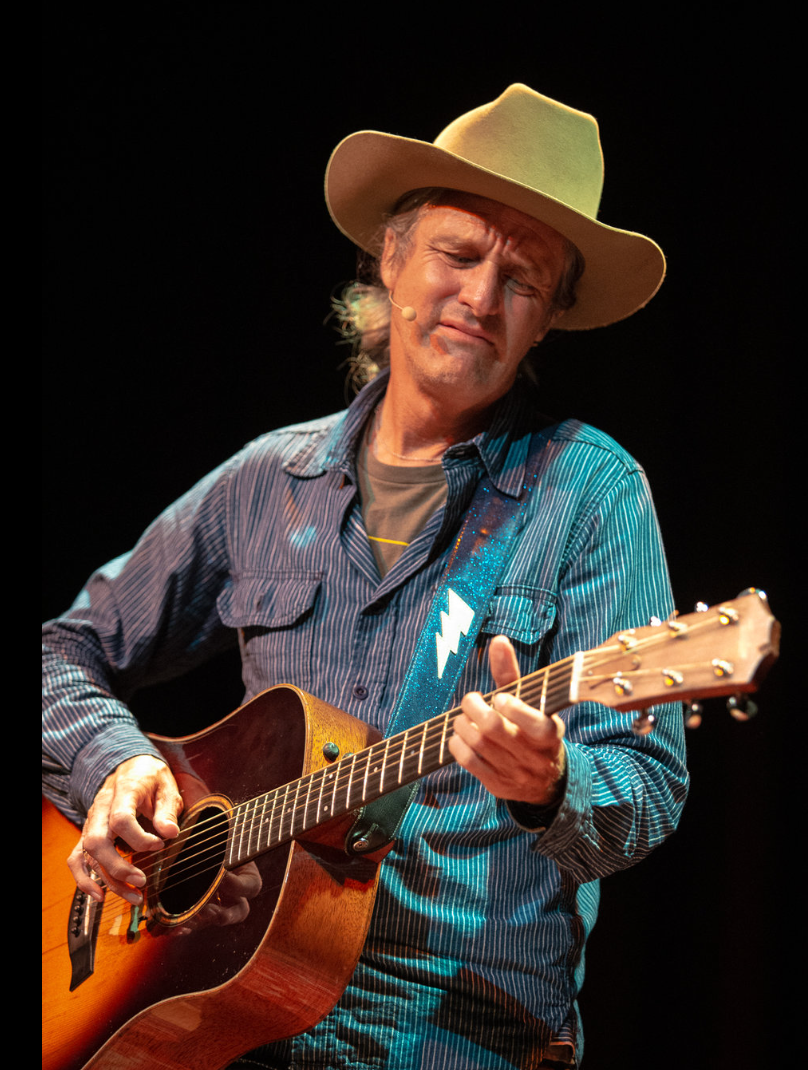
Febrary 14,2025 Chico Womens Club Chico CA - Acoustic Duo (Tim and Greg) - Early Show REcorded by GoochPopologist


Febrary 14,2025 Chico Womens Club Chico CA - Acoustic Duo (Tim and Greg) - LATE Show REcorded by GoochPopologist


Their early days were marked by long jam sessions and songwriting marathons, which led to their first album, “Back to the Grotto” (1992).


The album was independently released and quickly earned them a devoted local following. Their blend of earthy, roots-driven rock and hazy, West Coast vibes caught the attention of industry folks, and soon, they were signed to Rick Rubin’s American Recordings.


Their sophomore album, “Part-Timer Goes Full” (1995), came out under that label, giving them a bigger platform and launching them into the national touring circuit. By this time, the band’s classic first lineup had solidified:

  • Tim Bluhm (vocals, guitar)

  • Greg Loiacono (vocals, guitar)

  • Isaac Parsons (bass)

  • Mike Wofchuck (drums)


This core group powered through the mid-90s, building a reputation for energetic live shows and sharp songwriting.


ree

However, after their third album, “Shootout” (1996), the first significant lineup change occurred: Mike Wofchuck, their original drummer, left the band in the late ’90s, around 1997-98.


ree

His departure marked the end of their early era, as they brought in John Hofer to take over on drums—a move that helped transition The Mother Hips into the next chapter of their career.


ree

The early Mother Hips sound had this raw, rootsy energy—kind of a psychedelic twist on classic rock, with a heavy dose of California warmth.


ree

“Back to the Grotto” (1992) feels like a time capsule of that era—laid-back yet ambitious, with songs that stretch out and invite you into their jam-heavy world. You can really hear the influence of the Northern California vibe: nature, mysticism, and a touch of college-town recklessness.


ree


ree


By the time they dropped “Part-Timer Goes Full” in 1995, the songwriting had sharpened up without losing that loose, hypnotic groove. Tracks like “Shut the Door” and “Magazine” hinted at a band that could bridge the gap between jam-band improvisation and tight, melodic rock.


ree


They were playing bigger venues, opening for acts like Wilco and Johnny Cash, and starting to feel that push-and-pull of being a rising band with major-label attention.


ree


But as often happens, the road life and creative pressures took a toll. Mike Wofchuck’s departure in the late ’90s came right as the band was shifting gears sonically.


ree


His drumming had anchored their early sound—dynamic and jazzy—but when John Hofer came in, the band took on a slightly more grounded, rock-solid feel. Hofer brought a different energy—less freewheeling, more driving—which helped shape albums like “Later Days” (1998) and “Green Hills of Earth” (2001).


ree


The transition could’ve derailed them, but instead, it seemed to propel them into a more mature phase—more focused on songcraft, though they never lost that psychedelic, soul-tinged undercurrent.


ree


The Mother Hips’ experience with Chris Robinson (of The Black Crowes) and American Recordings was a pivotal chapter in their early rise — a mix of opportunity, pressure, and creative exploration. Let’s break it down!


ree


ree

The American Recordings Deal:After their independent debut “Back to the Grotto” (1992) gained traction in Northern California, The Mother Hips’ reputation for soulful, psychedelic-tinged rock started to spread.


ree

That buzz caught the attention of Rick Rubin, who had founded American Recordings, the label known for its eclectic roster (Johnny Cash, Slayer, and the Black Crowes, among others). Rubin signed them, recognizing their fresh, West Coast take on classic rock roots.


ree

Enter Chris Robinson:As part of the American Recordings family, The Mother Hips were connected with Chris Robinson, who was a fan of their sound. Robinson became something of a mentor, championing the band and helping to produce their sophomore album, “Part-Timer Goes Full” (1995).


ree


ree

His influence was notable—not just in polishing their sound, but in encouraging them to embrace their unique fusion of jam-band looseness and tight rock songwriting.


ree

The recording process was reportedly a bit of a whirlwind. Robinson’s involvement added some credibility and Southern rock swagger, but working with a high-profile label also meant navigating creative pressures.


ree

American Recordings wanted the band to deliver radio-friendly material, but the Hips, true to their roots, leaned toward more expansive, psychedelic jams. This tension—between commercial expectations and artistic integrity—became a defining dynamic during their time with the label.


ree

The Aftermath:Following “Part-Timer Goes Full,” the band released “Shootout” (1996), an album that veered into darker, more complex territory.


The label didn’t quite know how to market it, and despite the growing fanbase and critical acclaim, the commercial breakthrough that American Recordings had hoped for never materialized.


ree


Eventually, the band parted ways with the label, returning to a more independent, self-directed path.


The experience with Robinson and American was formative, though.


It sharpened their songwriting, pushed their live performances to new heights, and helped solidify the ethos that would carry them through the following decades: making music on their own terms.


ree


After their break with American Recordings, The Mother Hips entered what I’d call their “indie resilience” phase — a stretch of time where they doubled down on their artistic integrity and kept their creative momentum alive, despite losing the major-label backing.


ree

Post-American and the Indie Pivot:When “Shootout” (1996) didn’t meet commercial expectations (despite its dark, expansive brilliance), the band and American Recordings parted ways. But instead of retreating, the Hips leaned into their identity, embracing the freedom that came with independence.


This shift is clear on their next record, “Later Days” (1998), which many fans and critics view as a return to form — rich in harmonies, intricate guitar work, and that warm, California psych-folk-rock vibe.


ree


What’s striking about “Later Days” is how confidently it steps away from radio-ready polish. Songs like “Gold Plated” and “Emotional Gold” feel relaxed and exploratory, reflecting a band no longer looking over their shoulder at label execs.


ree

The album came out on the small independent label Tim/Kerr Records, allowing the Hips to call the shots creatively and commercially.


Touring and Fan Loyalty:A big part of the band’s survival and success after leaving American was their relentless touring.


They cultivated a loyal following, particularly in California, where their live shows became the stuff of legend — long, improvisational, and deeply communal.


Without label pressure, they could stretch out their sets, playing deep cuts and jam-heavy arrangements that weren’t built for radio but resonated deeply with their fans.


“Green Hills of Earth” and Beyond:By the time “Green Hills of Earth” (2001) rolled around, The Mother Hips had fully embraced their role as independent rock stalwarts.


ree


That album, with its introspective lyrics and lush instrumentation, feels like a band completely in command of their sound, unburdened by industry expectations. Even though they weren’t hitting mainstream charts, they were creating the music they wanted — and the fans stuck with them.


ree

Legacy of Independence:The band’s ability to survive (and thrive) after their American Recordings chapter speaks volumes about their artistic philosophy: stay true to the music, build a strong live following, and let the industry come to you (or not). Over time, that approach paid off — they’ve since released a steady stream of well-received albums, maintained a devoted fanbase, and carved out a lasting place in the California rock landscape.


First Lineup Change and Continued Evolution (1997-2001):

  • Drummer Change: In 1997, Mike Wofchuck departed, and John Hofer (formerly of The Freewheelers) joined as the new drummer.


  • Albums:

    • Later Days (1998)

    • Green Hills of Earth (2001)


These albums reflected a shift towards more concise, radio-friendly songs, showcasing the band's adaptability.


Hiatus and Side Projects (2002-2004):

  • Bassist Departure: In March 2002, Isaac Parsons left the band to focus on family and was replaced by Paul Hoaglin, who had previously co-produced their debut album.


ree


  • Hiatus: In September 2002, Greg Loiacono took a break, leading to an indefinite hiatus after farewell shows in February 2003.


  • Solo Projects:

    • Tim Bluhm collaborated with the band Five Foot Tuesday and pursued solo endeavors.

    • Greg Loiacono formed a new band, The Sensations.


During this hiatus, two documentaries about the band were released: Stories We Could Tell and This is the Sound (2004).


Reunion and Subsequent Changes (2004-2011):

  • Reunion: The band reunited in late 2004, resuming live performances and recording new material.


  • Albums:

    • Red Tandy (EP, 2005)

    • Kiss the Crystal Flake (2007)

    • Pacific Dust (2009)


ree


  • Bassist Change: In late February 2011, Paul Hoaglin departed due to health issues and was temporarily replaced by Scott Thunes, known for his work with Frank Zappa and Fear.


Stability and Recent Activities (2012-2025):

  • Albums:

    • Behind Beyond (2013)

    • Chronicle Man (2014)

    • Chorus (2018) – featured new bassist Brian Rashap and contributions from Jackie Greene.

    • Glowing Lantern (2021)

    • When We Disappear (2023)

    • California Current (2024)


ree


The band maintained a consistent lineup with Tim Bluhm, Greg Loiacono, John Hofer, and Brian Rashap, releasing new music and performing regularly.


ree

Solo Projects:

  • Tim Bluhm continued his solo career, releasing albums and collaborating with various artists.

  • Greg Loiacono also pursued solo projects, showcasing his versatility as a musician.


Recent Performance: On February 14, 2025, Tim Bluhm and Greg Loiacono performed as an acoustic duo in Chico, California, returning to their roots and offering fans an intimate musical experience. (FEATURED HER on THIS POP POST - full Video performance and Audio * Up Above)


Throughout their journey, The Mother Hips have demonstrated resilience and adaptability, navigating lineup changes and industry challenges while staying true to their unique sound.


ree


The Mother Hips continue to thrive, blending their rich musical legacy with fresh endeavors. Here's a glimpse into their recent and upcoming activities


Recent Releases:

  • "California Current": Released on September 27, 2024, this album marks their 13th studio effort, showcasing the band's enduring creativity and connection to their California roots.


ree


Solo Ventures:

  • Tim Bluhm: Beyond his work with The Mother Hips, Tim continues his solo career, releasing albums and collaborating with various artists.


  • Greg Loiacono: Greg also pursues solo projects, showcasing his versatility as a musician.


The Mother Hips remain a dynamic force in the music scene, honoring their roots while embracing new creative horizons.


ree


ree

ree


The Comprehensive Story of Steve Poltz: The Wild, Witty, and Unstoppable Troubadour

Early Life & Musical Beginnings

Steve Poltz was born on February 19, 1960, in Halifax, Nova Scotia, Canada. However, his family moved to San Diego, California, when he was still a child.


ree

Growing up in a diverse and artistic environment, Poltz developed an early love for music, storytelling, and humor—qualities that would define his career.


Recorded live at the chico Womens Club Chico CA february 4, 2025 by The Gooch (shocatchernorcali)


Setlist Feb. 04.2025

Chico Womens Club Chico CA

01 One of These Days (soundcheck)
02 - poltz enters
03 Can O' Pop
04 Ashoken Farewell
05 Saturday Afternoons
06 Digging For Icicles
07 I Love Everything About You
08 If It Bleeds It Leads
09 Thoughts and Prayers
10 Chico Womens Club
11 Stardust and Satellites
12 Son of God
13 Shine On
14 banter... recycled thoughts
15 Brand New Liver
16 banter - end of set I

17 -- set II
18 Presbyterian Guitar
19 banter - Shelby Park Nashville - Neil Young story
20 Birds
21 Let's Stay Together
22 The Hand Me Down Dudes
23 You Were Meant For Me
24 banter - middle in the night
25 Noival Boyce Doive
26 banter - smokey joe the guitar
27 Grandma's Feather Bed
28 encore call back
29 KZFR Frank Blues
30 banter
31 Kilkenny Man
32 Put That Video On Youtube
33 I Want All My Friends To Be Happy

ree

He attended the University of San Diego, where he explored his passion for music while balancing an interest in sports and academics. His free-spirited, unconventional personality was evident even in his youth, foreshadowing the artist he would become.


ree

The Rugburns: A Cult Phenomenon

In the late 1980s, Poltz co-founded The Rugburns, a band known for its raucous performances, humorous lyrics, and high-energy folk-punk sound. The Rugburns gained a cult following, particularly in the San Diego music scene.


ree


ree

Their songs—often infused with satire and absurdity—set them apart from conventional rock and folk acts. Tracks like "Me and Eddie Vedder" and "Hitchhiker Joe" showcased Poltz’s razor-sharp wit and ability to turn storytelling into anthemic singalongs.


ree


While the Rugburns never achieved massive mainstream success, they solidified Poltz’s reputation as an electrifying performer and an exceptional songwriter. The experience with the band also prepared him for the next stage of his career: going solo.


ree


ree

The Jewel -"You Were Meant for Me"

One of the defining moments in Poltz’s career was his collaboration with singer-songwriter Jewel. The two met in the early 1990s in San Diego, quickly forming a deep musical and personal bond. Poltz co-wrote Jewel’s hit song "You Were Meant for Me", which became a massive success, helping launch Jewel into superstardom.


ree


ree

Poltz not only co-wrote the song but also appeared in its original music video. The song’s commercial triumph brought Poltz into the spotlight, yet he remained true to his eccentric, independent style rather than conforming to industry expectations.


ree

The Solo Career: A Maverick on His Own Terms

After the Rugburns, Poltz embarked on a solo career that allowed him full creative control. His solo albums blended folk, rock, humor, and raw emotional storytelling.


ree

His 1998 debut album "One Left Shoe" showcased a more introspective side, with heartfelt songwriting balanced by his signature humor.

Over the years, Poltz released a steady stream of albums, each reflecting his ever-evolving artistry. Some of his most notable works include:

  • "Chinese Vacation" (2003) – A mix of witty social commentary and playful melodies.

  • "Dreamhouse" (2010) – A more contemplative, deeply personal record.

  • "Shine On" (2019) – An uplifting album filled with warmth and positivity.

  • "Stardust & Satellites" (2022) – A testament to Poltz’s ability to mix humor, storytelling, and poignancy.


ree


What makes Poltz’s music unique is his ability to weave comedy and philosophy into songs that resonate deeply with audiences. His improvisational skills and storytelling ability turn every live performance into a one-of-a-kind experience.


ree


ree

The Live Experience:

A One-Man Show Like No Other

If there’s one thing Steve Poltz is known for, it’s his live performances. His concerts aren’t just about music; they’re an unpredictable mix of stand-up comedy, spoken word, audience interaction, and musical brilliance.


ree


ree

He has been known to tell outrageous stories, improvise entire songs on the spot, and engage the audience in ways few musicians dare to. His ability to connect with a crowd makes him one of the most engaging and entertaining performers in folk and indie music today.


ree


ree

Independence & The Road Less Traveled

Unlike many artists of his generation, Poltz has remained fiercely independent. He often releases music through his own channels and avoids major label constraints. This independence allows him to tour freely, record on his own terms, and embrace his creativity without limitations.


ree


Poltz is also a relentless road warrior. He tours constantly, playing intimate venues, festivals, and living room concerts. His grassroots approach to music has helped him cultivate a loyal fanbase that follows him wherever he goes.


ree


I Love Everything About You

Steve Poltz’s legacy isn’t just in the music he’s written but in the way he’s lived his artistic life—with complete authenticity. His influence can be seen in modern indie-folk artists who prioritize storytelling, humor, and raw honesty.


ree


Artists who embrace the unconventional, who blend humor with deep emotion, and who refuse to conform to the music industry’s expectations owe a nod to Poltz’s example. He remains a testament to the idea that being unapologetically yourself is the best way to build a lasting career.


Stardust and Satellites

Poltz continues to record, tour, and surprise audiences around the world. Whether he’s playing a massive festival stage or a tiny venue, he brings the same energy and commitment to his craft. His later albums have shown that he still has new stories to tell, fresh perspectives to share, and plenty of surprises left in store.


Shine On

Probably not. His combination of humor, heart, unpredictability, and songwriting genius makes him one of a kind. His career is proof that success isn’t just about chart-topping hits—it’s about the connections you create with your audience, the stories you tell, and the joy you bring to the world.


Steve Poltz isn’t just a musician—he’s an experience, a storyteller, and a force of nature. And as long as he has a guitar in his hands, the world will always have a reason to smile.


ree


The Unstoppable Rise of Eminem: From 8 Mile to Hip-Hop Immortality

Early Life & The Battle Rap Scene

Marshall Bruce Mathers III was born on October 17, 1972, in St. Joseph, Missouri, and raised in Detroit, Michigan.


ree

Growing up in a troubled household, he found solace in hip-hop, inspired by artists like LL Cool J, Run-D.M.C., and Ice-T.


ree

Struggling with poverty and being one of the few white kids in the Detroit rap scene, he faced constant battles to prove himself.


ree

He honed his skills in underground battle rap circuits, eventually making a name for himself at venues like The Shelter—a key inspiration for 8 Mile.


ree


ree

Birth of Slim Shady & The Dr. Dre Connection

Eminem’s alter ego, Slim Shady, emerged in the late ’90s—an unfiltered, violent, and darkly humorous persona that allowed him to vent his frustrations.


ree


ree

In 1997, his independent album Infinite flopped, but his Slim Shady EP gained traction.


This caught the attention of Dr. Dre, who signed him to Aftermath Entertainment. In 1999, The Slim Shady LP exploded onto the scene with hits like “My Name Is,” introducing Eminem’s raw storytelling and shock value to the mainstream.


ree


ree

Album Evolution & Defining an Era

Each Eminem album reflected a different phase of his life:

  • The Slim Shady LP (1999): Introduced the world to his dark humor and rebellious nature.


ree

  • The Marshall Mathers LP (2000): A deeper, angrier, and more personal project, featuring classics like “Stan” and “The Real Slim Shady.”


  • The Eminem Show (2002): Cemented his dominance, addressing fame and criticism with “Without Me” and “Cleanin’ Out My Closet.”


ree


  • Encore (2004): A mix of satire and introspection, with “Mockingbird” and “Just Lose It.”

  • Relapse (2009): A return after a hiatus, tackling addiction and recovery.


  • Recovery (2010): A personal and triumphant comeback, with hits like “Not Afraid” and “Love the Way You Lie.”


ree


  • The Marshall Mathers LP 2 (2013): A sequel to his classic, revisiting themes of fame and regret.


ree


  • Kamikaze (2018): A raw response to critics, proving he hadn’t lost his edge.


ree


  • Music to Be Murdered By (2020): Showcasing technical mastery and social commentary.


ree


8 Mile: From Reality to Cinema

Eminem’s semi-autobiographical film 8 Mile (2002) brought his battle-rap origins to the big screen.


ree

The film’s anthem, “Lose Yourself,” became one of the greatest hip-hop tracks of all time, winning an Oscar for Best Original Song.


Music Videos That Shaped Culture

Eminem redefined hip-hop visuals with creative and controversial music videos. From the satirical “Without Me” and “My Name Is” to the haunting “Stan” and cinematic “Lose Yourself,” his videos were as impactful as his lyrics.


ree


ree

D12, 50 Cent, and Collaborations

Eminem co-founded D12, a rap group that showcased his Detroit roots, and played a crucial role in launching 50 Cent’s career. His collaborations spanned across genres, working with Jay-Z, Rihanna, Ed Sheeran, and more, proving his versatility.


Inspirations & Influence

Eminem drew inspiration from Tupac, The Notorious B.I.G., Nas, and Rakim. In turn, he has inspired a new generation of rappers, including Joyner Lucas, Logic, and NF, while maintaining respect from hip-hop legends.


ree


ree

Controversy & Breaking Barriers

As a white rapper in a predominantly Black genre, Eminem faced criticism and skepticism. Yet, his undeniable skill earned him respect. His raw lyrics sparked debates on censorship, freedom of speech, and mental health awareness.


ree

Legacy: What Eminem Did for Hip-Hop

No other rapper has maintained the longevity, commercial success, and lyrical prowess that Eminem has. He shattered records, redefined rap battles, and brought hip-hop into spaces it had never reached before.


ree

With millions of albums sold, multiple Grammy wins, and a relentless work ethic, Eminem remains one of the greatest artists in music history.


ree

Beyond numbers, his influence is seen in the evolution of hip-hop storytelling. He tackled deeply personal themes, from addiction and family struggles to the pressures of fame, making vulnerability a powerful tool in rap.


His ability to blend humor, anger, and introspection into intricate rhyme schemes set a new standard for lyrical ability.


ree


Eminem also played a pivotal role in broadening hip-hop's audience, making it more globally recognized.


ree


ree

His music transcended racial and cultural barriers, introducing millions to rap music who may never have explored the genre otherwise. His contributions to battle rap, technical wordplay, and rapid-fire delivery have become benchmarks for aspiring artists.


ree

Even today, his impact endures. With each release, he proves his adaptability, challenging both himself and the industry.


ree

His influence on future artists, his contributions to music, and his fearless approach to expression ensure that his legacy will be remembered as one of the most significant in hip-hop history.


ree


ree


ree


ree


Pay Per View Live Events
Fiverr
Join Steam buy the POPOLOGIST® Camera Slinger Video Game
Camera Slinger Promo
rBeatzRadio_Final (All) NEW-03.png
POPOLOGIST® Tim Bennett and his new Children's Book
The Adventures Of DogShoe & The Bakery Gang
POPOLOGIST® Coffee Mug
Black POPOLOGIST® Hoodie
Livestream Marathon
POPOLOGIST® White Coffee Mug
Guitar Center promoted on POPOLOGIST® Website
The 1st POPOLOGIST Camera Slinger Mascot

© 2024 COPYRIGHT  POPOLOGY® & POPOLOGIST®

215-880-5928

  • Facebook
  • Twitter
  • YouTube
  • Pinterest
  • Instagram
bottom of page