top of page
1st POPOLOGIST®
Lacas Coffee
Lacas Coffee
Credit Yak
Buy Your Swagg on POPOLOGIST®
The POPOLOGIST® Camera Slinger Video Game
POPOLOGY® Networks
1st POPOLOGIST® Pillow Swag
Science Under Nature
1st POPOLOGIST® Camera Slinger T Shirt
Color-Fuchsia Pink POPOLOGY® Underwear
Funky i Puppet

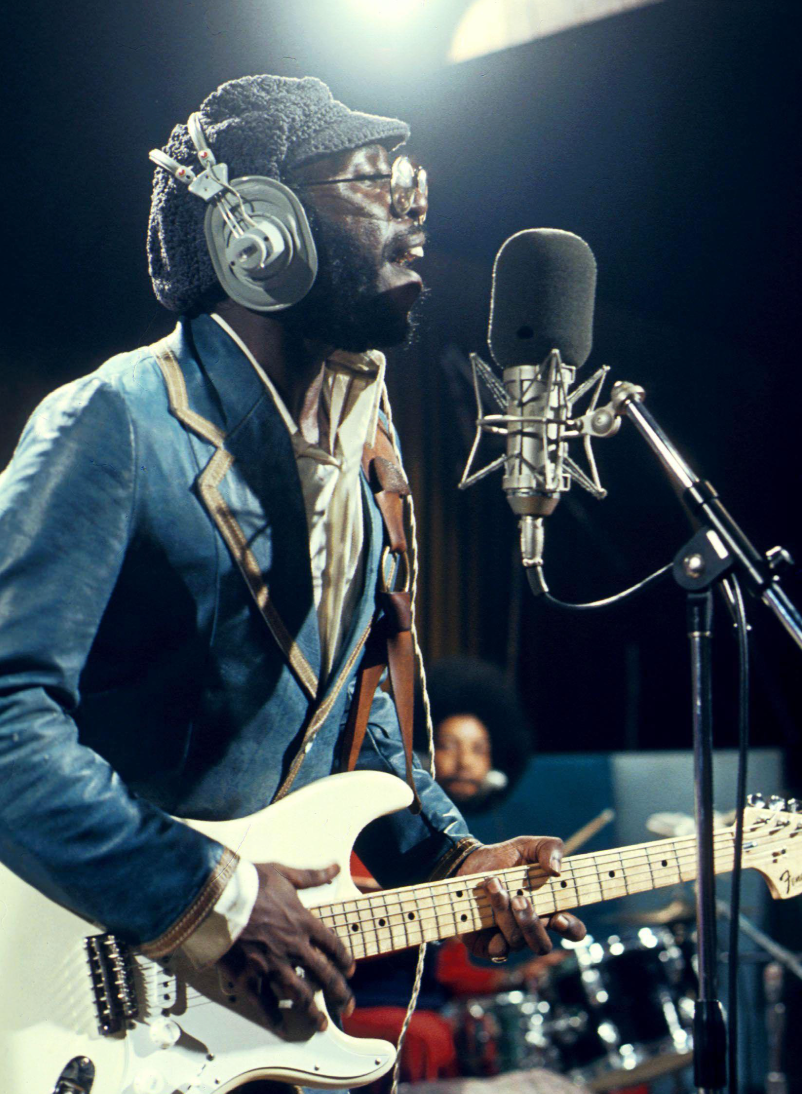
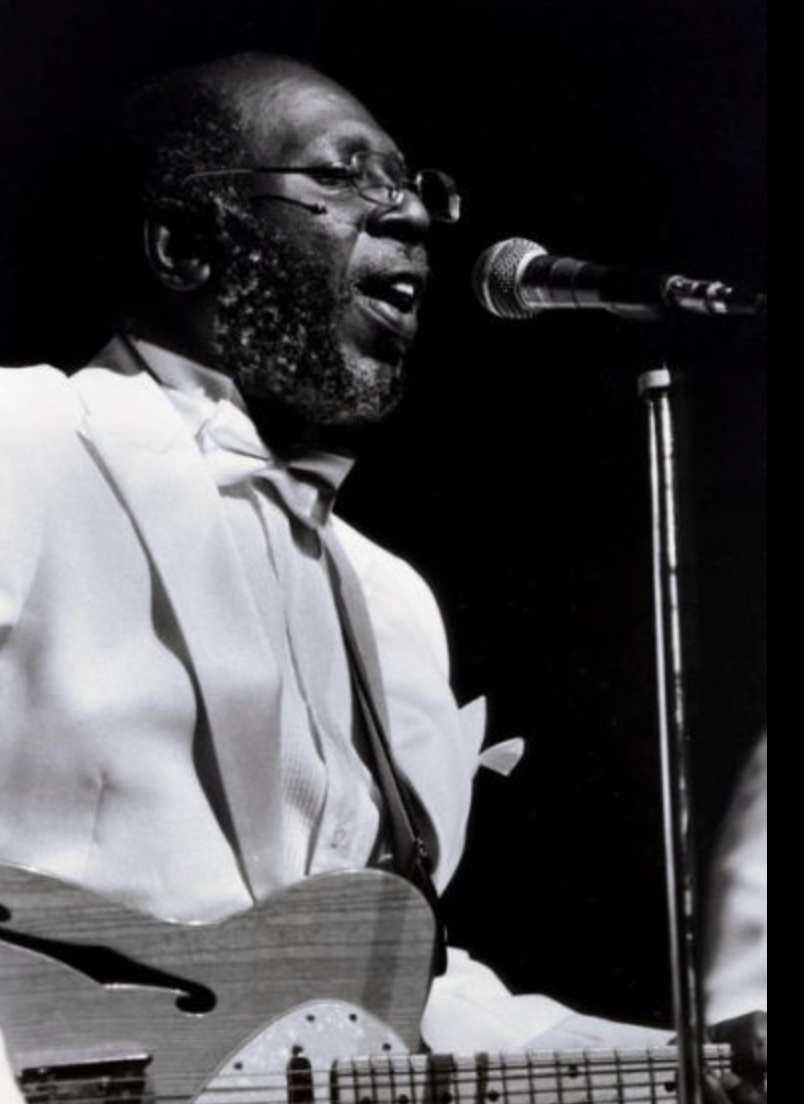
The Curtis Mayfield Story: From Chicago to Soul Legend

Curtis Mayfield was one of the most influential musicians in soul, funk, and R&B history. His music blended social consciousness with smooth melodies and cutting-edge production, making him a key figure in the evolution of Black music from the late 1950s through the 1970s.


ree

His career began with The Impressions, where he became a pioneer of politically charged soul music, before breaking out as a solo artist and reshaping the sound of funk and cinematic soul.


🔹 The Early Years (1942–1956)

Curtis Lee Mayfield was born on June 3, 1942, in Chicago, Illinois, and grew up in the Cabrini-Green housing projects. His early life was shaped by the gospel sounds of the church, and he began singing in a church choir as a young boy.


ree


ree

His first instrument was the guitar, which he taught himself to play at age 10 after his mother bought him one. Unlike most guitarists, Mayfield developed a unique open F-sharp tuning, which gave his sound a distinctive, dreamy quality that would later define his music.


ree

By his teenage years, Curtis was already performing in local doo-wop groups, learning to harmonize and write songs. In 1956, his fate changed when he met Jerry Butler, another young singer from Chicago, and joined his group, The Roosters—which would later be renamed The Impressions.


ree

🔹 The Impressions: 1958–1970

The Birth of a Soul Group (1958-1962)

In 1958, Curtis and Jerry Butler joined forces to record “For Your Precious Love,” a hit that catapulted The Impressions into national fame.


ree


However, Butler soon left for a solo career, leaving Curtis to take over as the group’s primary songwriter, lead vocalist, and producer.


During the early 1960s, Curtis led The Impressions into a new sound—moving away from doo-wop into the smooth, uplifting gospel-influenced soul that would become his signature.


ree


Civil Rights

& The Conscious Soul Movement (1963–1970)

Curtis Mayfield wasn’t just a musician—he was a voice of the Civil Rights Movement. He wrote songs that provided hope and strength for Black America, blending spirituality with political consciousness.


  • “People Get Ready” (1965) – One of the most important soul anthems of the 1960s, this song was deeply influenced by gospel music and became a rallying cry for the Civil Rights Movement. Dr. Martin Luther King Jr. often used it at rallies.


ree


  • “Keep on Pushing” (1964) – Another Civil Rights anthem, urging persistence and strength.


  • “We’re a Winner” (1968) – A powerful declaration of Black pride and perseverance during a time of racial struggle.


Curtis Mayfield’s work with The Impressions helped shape the sound of 1960s soul, influencing artists like Marvin Gaye, Stevie Wonder, and later, Public Enemy and Lauryn Hill.


ree


By 1970, after over a decade of success with The Impressions, Curtis Mayfield decided it was time for a new chapter—a solo career that would redefine funk and soul music.


🔹 The Solo Breakout: 1970–1972

Going Solo (1970-1971)

Curtis Mayfield’s first solo album, "Curtis" (1970), was a bold departure from The Impressions. It introduced a heavier, more experimental sound, blending psychedelic soul, funk, and social commentary.


ree


  • “(Don’t Worry) If There’s a Hell Below, We’re All Gonna Go” – A raw, politically charged song about race, poverty, and corruption.


  • “Move On Up” – A motivational, high-energy track that became an anthem for progress and empowerment.


His solo work featured layered instrumentation, socially conscious lyrics, and funk-driven grooves, making him one of the first artists to mix soul with psychedelic rock and jazz elements.


The “Superfly” Breakthrough (1972)

In 1972, Curtis Mayfield composed and produced the soundtrack for the film Superfly, a Blaxploitation movie that became a cultural phenomenon. Instead of glorifying drugs and crime like other Blaxploitation films, Curtis’s music critiqued street life and systemic oppression.


ree


  • “Superfly” – The title track, a funky, cinematic masterpiece.

  • “Freddie’s Dead” – A haunting song about a young man lost to the streets.


  • “Pusherman” – A layered, funk-driven track exposing the realities of the drug trade.


The Superfly soundtrack was more successful than the film itself, proving that Curtis Mayfield was now a cultural icon who could shape the social and political dialogue through music.


ree


🔹 Legacy & Influence

Curtis Mayfield revolutionized soul music by merging it with social activism, deep grooves, and innovative production. His impact extended into funk, hip-hop, and R&B, influencing artists like:

  • Prince – Adopted Mayfield’s falsetto vocal style and funk guitar grooves.


  • Kanye West & Lauryn Hill – Sampled his music in their hip-hop and neo-soul productions.


  • Public Enemy & Ice Cube – Used his politically charged themes as inspiration for conscious rap.


His commitment to uplifting Black America, along with his innovative sound, solidified him as one of the most influential figures in music history.


🔹 The Late 70s

and Struggles in the Industry (1973–1979)

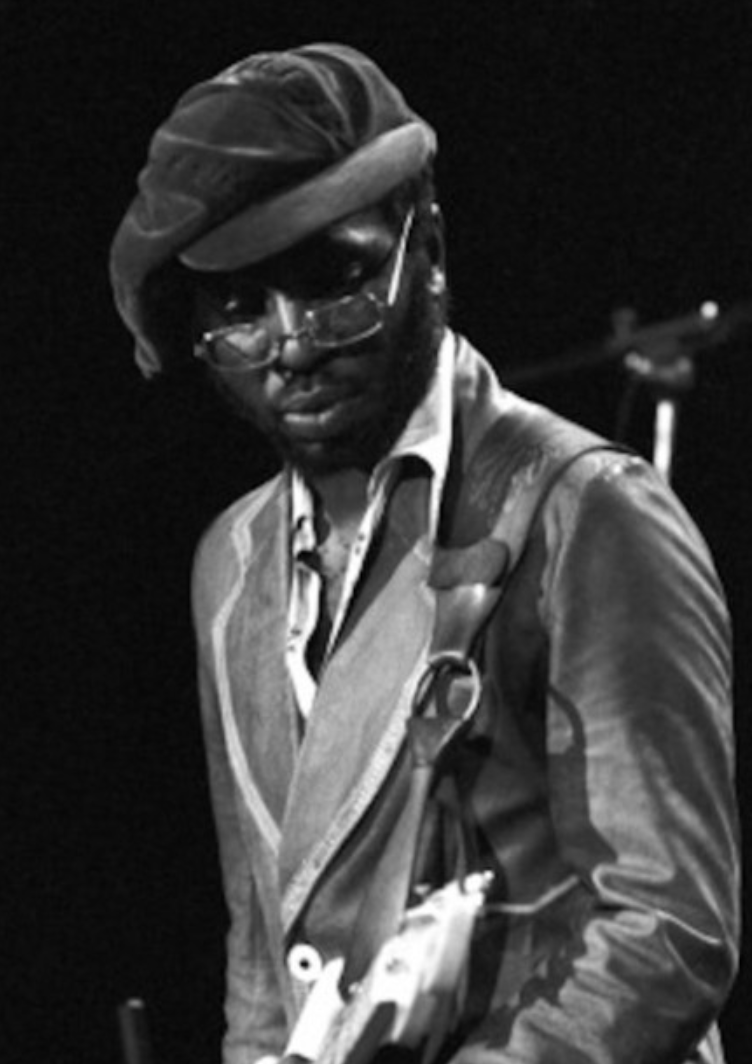
After the massive success of Superfly, Curtis Mayfield remained a dominant force in the 1970s. He continued to release solo albums filled with socially conscious lyrics, deep grooves, and innovative production.


ree


Notable Albums & Songs of the Late ‘70s

  • "Back to the World" (1973) – A powerful album reflecting on the struggles of Vietnam War veterans returning home.


  • "Sweet Exorcist" (1974) – Blended his signature socially aware lyrics with a funkier, more psychedelic sound.


  • "Give, Get, Take and Have" (1976) – Featured the classic track "Only You Babe," a smooth soul hit.


  • "Never Say You Can’t Survive" (1977) – A return to his gospel roots with uplifting messages.

ree


Despite still making critically acclaimed music, Mayfield faced challenges in the late ‘70s as disco took over the mainstream music scene.


Funk and soul artists like him found it harder to compete with the shiny, dance-driven music industry shift. However, his influence never faded—many up-and-coming R&B and funk artists continued to sample and study his work.


ree


🔹 The 80s: A Resurgence and Tragedy (1980–1989)

In the early 1980s, Mayfield remained respected but somewhat under the radar. He continued making music, but his commercial success had slowed.


ree


Curtis Mayfield

He always showed his versatility as an artist—being able to step into different genres while staying true to his soulful, message-driven music.


The Tragic Accident (1990)

In August 1990, tragedy struck. While performing in Brooklyn, New York, a lighting rig fell on Curtis Mayfield, paralyzing him from the neck down. The accident shattered his mobility, but not his spirit. He could no longer play guitar, but he continued to write, compose, and produce music.


ree


🔹 The 90s: A Final Triumph (1990–1999)

Even though he was paralyzed, Curtis Mayfield was determined to create music. His final album, "New World Order" (1996), was recorded under extraordinary circumstances. Since he could no longer sing for extended periods, he recorded each line of every song one at a time, lying flat on his back.


ree


New World Order (1996)

Despite his condition, New World Order was a critically acclaimed album.


Songs like “Back to Living Again” showed his optimism and perseverance, even in the face of immense hardship.


Throughout the 90s, artists like Eric Clapton, Bruce Springsteen, and Lenny Kravitz paid tribute to him, acknowledging his massive impact on modern music.


🔹 The Final Years & Legacy (1999–2011)

Curtis Mayfield’s health continued to decline in the late 90s due to complications from his paralysis. He passed away on December 26, 1999, at the age of 57, leaving behind a legacy that shaped soul, funk, and hip-hop.


ree


Curtis Mayfield’s Enduring Impact

  • The Rock & Roll Hall of Fame inducted him twice—once with The Impressions (1991) and once as a solo artist (1999).


  • His music continues to be sampled by hip-hop artists like Kanye West, Jay-Z, and OutKast.


  • His social activism through music inspired generations of conscious musicians from Marvin Gaye to Kendrick Lamar.


ree


🎶 Curtis Mayfield: A Musical Revolutionary

Curtis Mayfield wasn’t just a singer—he was a visionary who used music to fight for justice, uplift his people, and change the sound of soul forever. His ability to combine poetic lyrics with raw funk grooves created a sound that still reverberates through modern music today


Curtis Mayfield: The Visionary Who Redefined Soul Music

Curtis Mayfield wasn’t just a musician—he was a revolution in sound, message, and independence.


He was the rare artist who changed the game at every level: as a composer, performer, producer, and businessman.


At a time when most Black artists had little control over their work, Curtis took ownership. When soul music was mostly about love songs, he infused it with politics, social consciousness, and raw truth.


ree


From the moment he picked up a guitar in the Cabrini-Green housing projects of Chicago, Curtis was destined to be different.


Self-taught, he invented his own open F-sharp tuning, creating a floating, dreamy sound no one had ever heard before.


But it wasn’t just about the music—it was about the message.

At the height of the Civil Rights Movement, Curtis wasn’t just making records; he was crafting anthems of empowerment.


ree

People Get Ready wasn’t just a song—it became a hymn of hope for an entire generation fighting for justice. Keep on Pushing and We’re a Winner gave Black America something to hold onto in times of struggle.


Then, when soul and R&B were still in their infancy, Curtis took a massive leap forward, fusing gospel, funk, and psychedelia into something completely new.


ree

He didn’t just sing about love—he sang about the streets, about survival, about revolution. His 1972 Superfly soundtrack did what no other artist had done before: it told a full cinematic story through music, outshining the movie itself and reshaping what a soundtrack could be.


But Curtis didn’t just influence music. He influenced ownership.


He created his own label, Curtom Records, producing his own work and giving other artists the creative freedom they never had before. At a time when record companies controlled everything, Curtis was his own boss.


ree


Even after a tragic stage accident in 1990 left him paralyzed from the neck down, he refused to stop creating. In 1996, with nothing but his voice left, he recorded his final album, singing every line while lying flat on his back in the studio.


That level of dedication, that kind of resilience, is something no other artist has ever done.
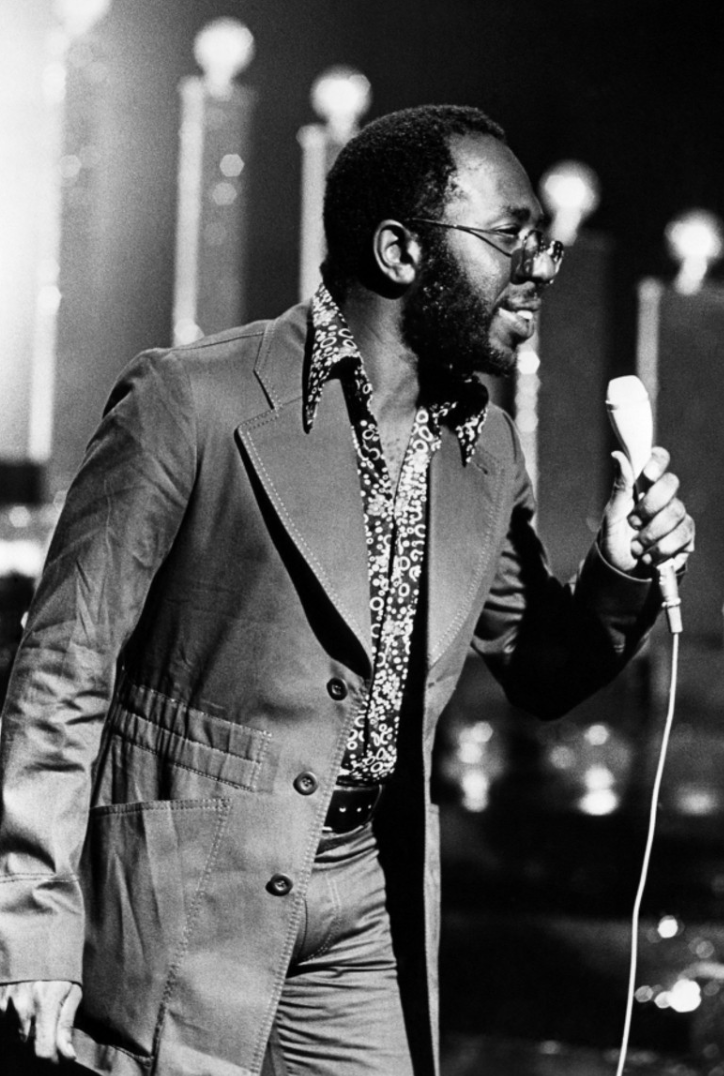

ree


His influence stretches far beyond his own music. Marvin Gaye’s What’s Going On, Stevie Wonder’s Songs in the Key of Life, Prince’s entire approach to artistic independence—all carry Curtis’s fingerprints. 


Hip-hop legends like Kanye West, Jay-Z, and OutKast have all sampled his work, keeping his sound alive in modern music.


Curtis Mayfield will always be remembered as the architect of conscious soul music, a pioneer of artistic freedom, and a visionary who gave a voice to the voiceless.
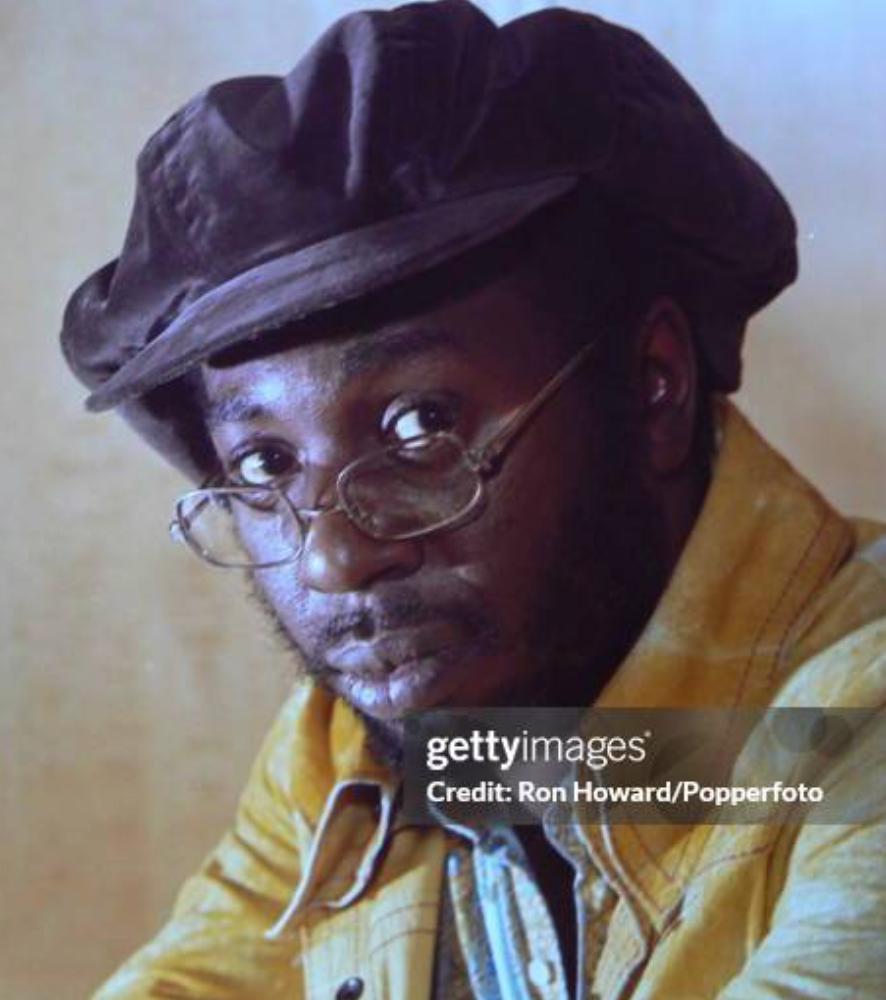

ree

He wasn’t just a singer or a songwriter—he was a movement. His music will forever be a guiding light for those who seek truth, power, and change through art.


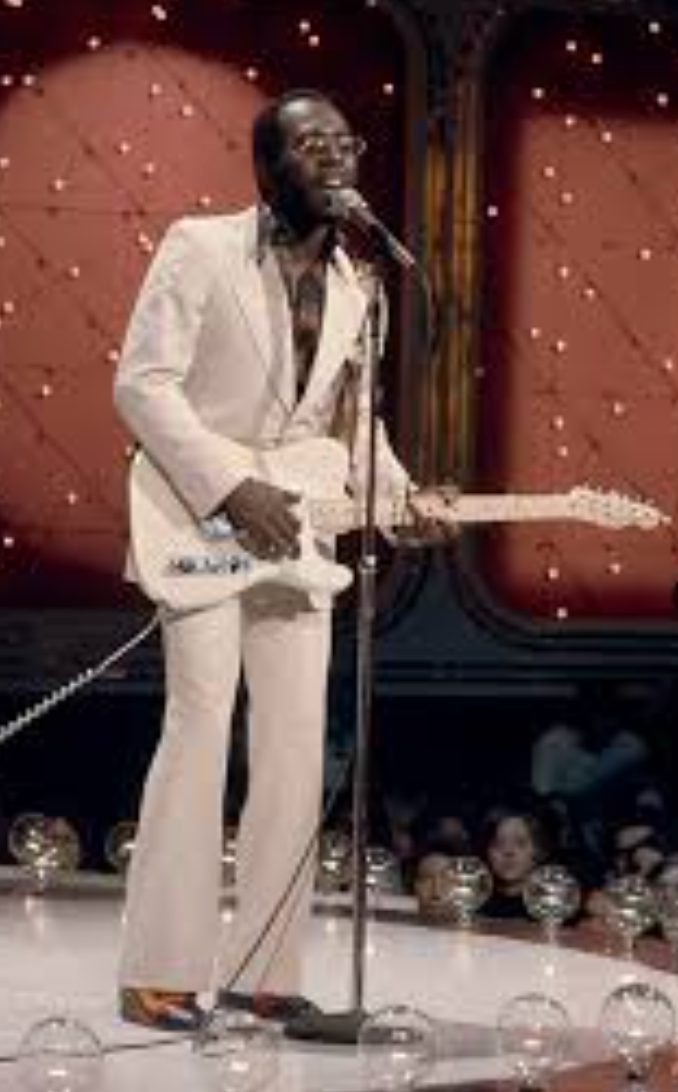
ree

ree

ree

ree

ree

ree

ree

ree

ree


Etta James was born Jamesetta Hawkins on January 25, 1938, in Los Angeles, California. Her mother, Dorothy Hawkins, was just 14 years old at the time of her birth, and her father’s identity was never confirmed, though Etta believed he was a white pool player named Rudolf "Minnesota Fats" Wanderone.


ree

Because of her mother’s young age and unpredictable lifestyle, Etta was primarily raised by a series of caregivers, most notably Lula and Jesse Rogers, who took her in when she was very young.


Early Musical Influences

Etta's talent was evident early on. By the age of five, she was already singing gospel at St. Paul Baptist Church in South Los Angeles, where she was trained by choir director Professor James Earle Hines. He helped her develop the strong, powerful voice that would later define her career. She became known for her raw, emotional singing style even as a child.


However, her upbringing was tumultuous. When her mother was in her life, she often moved Etta around, and she endured abuse, instability, and neglect. Despite this, music remained her anchor.


The Road to Stardom

As a teenager, Jamesetta was heavily influenced by rhythm and blues and formed a girl group called The Creolettes with two friends. In 1953, when she was just 14, she came to the attention of Johnny Otis, a bandleader and R&B musician who helped launch many careers. Otis convinced her to move to San Francisco and record a song with him.


First Hit: "The Wallflower"

Under Otis’s guidance, The Creolettes became The Peaches, and Jamesetta changed her name to Etta James—a reversed version of her first name. Otis arranged for her to record a song originally called Roll With Me, Henry (an answer song to Hank Ballard's Work With Me, Annie).


Due to its suggestive lyrics, the song was renamed "The Wallflower" before being released in 1955 on Modern Records. The song became a #1 R&B hit, marking Etta's first big break into the music industry.


From there, she went on tour with Little Richard, and her career began to gain traction. Though she initially focused on R&B, her ability to cross into blues, jazz, and later soul and pop made her one of the most versatile singers of her era.


By the end of the 1950s, Etta James had transitioned from a teenage R&B star into a rising powerhouse vocalist, setting the stage for her legendary career in the 1960s. Here’s what was happening in her life and career during this period:


Struggles & Transition (1955-1959)

After her breakthrough in 1955 with The Wallflower (Dance With Me, Henry), Etta continued recording for Modern Records, releasing several singles, though none matched her first hit’s success. She toured with major R&B acts, including Little Richard, Johnny "Guitar" Watson, and B.B. King, which exposed her to different styles and influences.


However, Etta’s personal life was tumultuous—she was caught between teenage fame, an unstable upbringing, and the challenges of the music industry. Like many young artists, she struggled with financial mismanagement and the pressures of fame.


Moving to Chess Records (1959)

In 1959, Etta left Modern Records and signed with Chess Records (specifically its subsidiary, Argo Records). This move changed everything for her. Leonard Chess saw her potential beyond just R&B and envisioned her as a versatile artist capable of singing blues, jazz, and orchestral ballads.


During this transition, she started working on songs that would define her early 1960s career, including:

  • All I Could Do Was Cry (1959) – One of her first major hits under Chess, written by future Motown legends Berry Gordy, Billy Davis, and Gwen Gordy. It became a Top 10 R&B hit and signaled her move toward more emotionally rich, dramatic ballads.

  • My Dearest Darling (1959) – Another hit showcasing her ability to fuse R&B with orchestral arrangements, paving the way for her classic At Last sound.


The Dawn of a Legend

By the end of the 1950s, Etta was no longer just an R&B teen star—she was evolving into a powerful blues and soul vocalist. Her move to Chess Records put her in the hands of producers who would help shape her greatest hits of the next decade.


Etta James in the 1960s: The Rise of a Legend

The 1960s were the defining decade for Etta James, where she transitioned from an R&B singer into a soul, blues, and jazz powerhouse. Under Chess Records, she recorded some of her most iconic songs, solidified her place in music history, and navigated personal struggles that would shape the rest of her life.


1960-1963: The Breakthrough Era

After signing with Chess Records, Etta was encouraged to expand her sound beyond raw R&B. With Leonard Chess guiding her career, she began incorporating orchestral arrangements and moving into bluesy ballads.


Major Hits & Albums

  • 1960: "All I Could Do Was Cry" – A heartbreaking ballad that became one of her first major hits under Chess.

  • 1960: At Last (album) – This album cemented her place in music history, featuring her most famous song:

    • "At Last" – A timeless classic, blending blues, jazz, and orchestral soul. Though not a massive chart hit at the time, it became her signature song.

    • "Trust in Me" – A smooth, jazz-influenced ballad that further showcased her vocal depth.


  • 1961: The Second Time Around (album) – Continued her mix of jazz, blues, and orchestral ballads.

  • 1962: Etta James Sings for Lovers – A shift towards romantic ballads with full orchestration, further broadening her appeal.


1963-1966: The Soul & Blues Queen Emerges

By the mid-1960s, Etta returned to a grittier R&B and blues style, showing off her powerful, raw vocals.


Key Songs & Albums:

  • 1963: "Something’s Got a Hold on Me" – A gospel-infused, bluesy R&B hit that has since been sampled by numerous artists.

  • 1963: "Pushover" – A catchy, upbeat R&B track that showed her versatility.

  • 1963: Etta James Rocks the House (Live Album) – Showcased her powerful stage presence, recorded at the New Era Club in Nashville.

  • 1967: Tell Mama (album) – Marked a major career shift toward Southern soul and blues, recorded at FAME Studios in Muscle Shoals, Alabama.

    • "Tell Mama" – One of her biggest hits, full of fire and sass, later covered by Janis Joplin.

    • "I'd Rather Go Blind" – One of her most emotionally devastating blues ballads, solidifying her as a blues queen.


Personal Struggles & the Music Industry

Despite her success, Etta battled heroin addiction throughout the 1960s, which often disrupted her career. She had multiple run-ins with the law, and her drug use led to inconsistent performances and time spent in rehabilitation.


However, her talent was undeniable, and Chess Records continued supporting her, recognizing her immense influence on the blues and soul landscape.


Legacy of the 1960s

By the end of the decade, Etta James had proven herself as one of the greatest vocalists of all time, seamlessly blending blues, R&B, soul, and jazz. Her raw emotion, fearless vocal power, and deeply personal lyrics set the stage for countless artists who followed.


Etta James' biggest hits"At Last," "Something's Got a Hold on Me," "Tell Mama," and "I'd Rather Go Blind"—were groundbreaking because they transcended genres, showcased her raw vocal power, and captured deep emotional truths that resonated with audiences across generations. Each song represented a different side of her artistry, from orchestral ballads to gospel-infused R&B and gut-wrenching blues.


"At Last" (1960) – A Timeless Classic

Why It Was Groundbreaking:

  • Orchestral Soul Meets Blues & Jazz – Most R&B songs at the time had a raw, stripped-down sound, but At Last featured lush string arrangements, blending jazz, blues, and classical influences in a way that was rare for a Black female artist.

  • Vocal Perfection – Etta’s rich, controlled, yet deeply emotional delivery turned a song that had been recorded before (by Glenn Miller and Nat King Cole) into her own signature piece.

  • Romantic Universality – The song became an anthem for love, later used in weddings, films, and commercials, proving its timeless appeal.


💡 Why It Still Matters: It established Etta James as more than an R&B singer—she could sing anything, from jazz standards to soul, paving the way for future powerhouse vocalists like Aretha Franklin, Adele, and Beyoncé.


"Something’s Got a Hold on Me" (1962) – Gospel-Driven Soul Power

Why It Was Groundbreaking:

  • Church Meets R&B – This song fused gospel energy with a driving R&B beat, bringing the intensity of the Black church to mainstream music.


  • Call-and-Response Style – The back-and-forth vocal delivery felt alive and interactive, like a sermon mixed with a dance track.

  • Raw, Raspy Vocals – Etta’s gritty, powerful delivery was a precursor to rock and soul singers of the late ‘60s and beyond.

💡 Why It Still Matters: Artists like Christina Aguilera, Avicii, and Flo Rida sampled or referenced this song, proving its lasting impact on pop, dance, and hip-hop.


"Tell Mama" (1967) – Southern Soul & Female Power

Why It Was Groundbreaking:

  • Recorded in Muscle Shoals, Alabama – This track had that deep Southern soul feel, thanks to the Muscle Shoals rhythm section, which gave it a gritty, funky blues-rock energy.

  • A Woman Offering Help, Not Seeking It – Most love songs had women begging for love or crying over heartbreak, but here, Etta flips the script—she’s in control, telling a man, "Tell Mama all about it, tell Mama what you need."

  • Fiery, Confident Delivery – This was a new, bold side of Etta, showing she wasn’t just a ballad singer—she could command a song like a rock or funk artist.

💡 Why It Still Matters: It’s been covered by major artists (like Janis Joplin), showing that its fierce female empowerment message still resonates.


"I'd Rather Go Blind" (1967) – Pure, Heart-Wrenching Blues

Why It Was Groundbreaking:

  • One of the Rawest Blues Ballads Ever – The song was achingly personal—Etta allegedly wrote it after visiting a friend in prison and reflecting on her own pain.

  • Minimalist But Devastating – Unlike other big hits with strings or horns, this song was stripped down, focusing on Etta’s soul-crushing voice and the pain behind every note.

  • Universal Heartbreak – Lines like "Something told me it was over when I saw you and her talking" capture the deepest kind of loss anyone can feel—watching someone you love slip away.


💡 Why It Still Matters: One of the most-covered songs in blues and soul history, with versions by Beyoncé, Rod Stewart, and Mick Hucknall. The emotion is so raw and timeless that no matter who sings it, it hits straight to the soul.


The Legacy of These Hits

Each of these songs pushed boundaries—whether in production, vocal delivery, storytelling, or emotional depth. Etta James wasn’t just another R&B singer—she was a genre-defying force, bringing jazz elegance, gospel fire, blues pain, and soul power together in ways no one had before.


Etta James at Muscle Shoals: A Gritty Soul Revival (1967-1968)

By the mid-1960s, Etta James was at a crossroads in her career. She had already proven herself as an R&B and blues powerhouse, but heroin addiction and personal struggles had derailed her momentum. Then came Muscle Shoals, Alabama—a small town with a legendary studio that would revive her sound and give her some of the most defining records of her career.


🔹 The Move to Fame Studios (1967)

Etta’s label, Chess Records, recognized that she needed a new sound—something raw, earthy, and full of fire. The answer? Fame Studios in Muscle Shoals, Alabama, known for its signature Southern soul sound.


Muscle Shoals was famous for producing gritty, authentic soul music, with artists like Aretha Franklin, Wilson Pickett, and Otis Redding recording there. The studio had an integrated house band, the Muscle Shoals Rhythm Section (aka "The Swampers"), who could seamlessly blend blues, soul, R&B, and funk into something completely fresh.


💡 Why was Muscle Shoals special?

  • Deep Southern Blues & Soul Influence

  • Raw, Unpolished Sound (as opposed to heavily orchestrated R&B)

  • The Muscle Shoals Rhythm Section (white session musicians with a deep feel for Black music)

When Etta arrived, she was ready for a rebirth—and Muscle Shoals delivered.


🔹 The Tell Mama Album (1968)

Etta’s first Muscle Shoals session resulted in her landmark album, Tell Mama (1968), recorded in just a few days. The sound was grittier, funkier, and more stripped-down than her previous records.


🔥 Key Tracks from Tell Mama

1️⃣ "Tell Mama"

  • Originally written and recorded by Clarence Carter, this track became one of Etta’s biggest hits.

  • It had a funky, driving groove that was different from her earlier orchestral ballads.

  • The female empowerment lyrics flipped the typical soul narrative—Etta wasn’t begging for love; she was offering help and control.

  • The horn-driven, bass-heavy production gave it a raw, live feel, typical of Muscle Shoals.


📈 Impact: Tell Mama became one of her most successful singles, peaking at #10 on the R&B charts and crossing into pop audiences.

2️⃣ "I'd Rather Go Blind"

  • This was the emotional centerpiece of the album, recorded almost accidentally during the session.

  • Etta allegedly wrote it after visiting a friend in prison and reflecting on her own life struggles.

  • The song is stripped down to the basics—just a simple, mournful groove, her heartbreaking vocal, and no flashy production.

  • Etta’s delivery is devastating—every word drips with loss, longing, and pain.


📈 Impact: I'd Rather Go Blind wasn’t a massive chart hit, but it became one of the most covered blues ballads in history, with versions by Beyoncé, Rod Stewart, and the Allman Brothers Band.


🔹 The Muscle Shoals Experience: A Career Revival

Etta loved working in Muscle Shoals because it felt like home—no industry politics, just pure music. However, her personal demons followed her. Even in Alabama, she struggled with drug addiction, and Chess Records didn’t always give her the promotion she deserved.


Despite this, her time at Fame Studios redefined her sound, and she would return to Muscle Shoals multiple times in the late '60s and '70s to record more blues-heavy material.


💡 Why It Still Matters:

  • Muscle Shoals saved Etta James’ career, giving her a raw, Southern soul sound that kept her relevant.

  • Tell Mama became a landmark soul album, influencing generations of blues and rock artists.

  • The Muscle Shoals sound turned Etta from a polished R&B singer into a gritty, no-nonsense blues icon.


ree

The Muscle Shoals Musicians: The Secret Behind Etta James’ Gritty Revival

When Etta James walked into Fame Studios in Muscle Shoals, Alabama, she was stepping into one of the most legendary music hubs of the time. What made Muscle Shoals special wasn’t just the studio—it was the incredible musicians behind the sound. These were white Southern players with an unmatched feel for Black music, creating some of the rawest, most powerful soul, blues, and funk ever recorded.


🔹 The Muscle Shoals Rhythm Section (The Swampers)

At the heart of the Muscle Shoals sound was a group of unassuming white guys who could play with the soul and grit of the best R&B and blues musicians. This group, later known as The Swampers, played on Etta James’ sessions and were responsible for the deep, blues-heavy groove of Tell Mama.


🎸 The Key Players on Etta’s Muscle Shoals Sessions:

  • Barry Beckett (Keyboards) – Gave the songs their smooth yet gritty gospel feel.

  • Jimmy Johnson (Guitar) – Played clean but soulful rhythm guitar, holding the groove together.

  • Roger Hawkins (Drums) – His playing was tight but funky, providing that famous Muscle Shoals backbeat.

  • David Hood (Bass) – His deep, rolling basslines laid the foundation for Etta’s powerful vocals.


💡 Why They Were Different: Unlike big, polished R&B productions in New York or Chicago, Muscle Shoals music was raw and instinctive—they played by feel, not by the book.


🔹 How the Muscle Shoals Sound Transformed Etta James

Etta James came into the sessions with a huge voice and a blues heart, but she had mostly been recording in Chicago with Chess Records’ more structured, orchestrated style. Muscle Shoals stripped it all down—no overproduction, no excessive arrangements, just Etta’s raw power backed by pure Southern soul grit.


ree


🔥 What Changed in Her Sound?

  • More blues, less polish – The Muscle Shoals musicians didn’t overthink arrangements; they let the groove flow naturally.

  • Stronger rhythm section – Instead of lush orchestras, she had a deep bass, gospel-influenced keys, and tight drums driving her songs.

  • More freedom to let loose – She could push her vocals to the limit, adding even more emotion and rasp to her voice.


🔹 The Magic of Muscle Shoals: Recording "I'd Rather Go Blind"

One of the most legendary moments of Etta’s career happened during these sessions—the recording of "I’d Rather Go Blind."

According to Etta, she wrote the song after visiting a friend in prison and seeing a painful truth in her own life. When she brought it to the studio, the Muscle Shoals musicians captured the exact mood she needed—a simple but haunting arrangement that let her heartbreak take center stage.

🎙 The Recording Process:

  • No fancy production—just a steady bassline, a slow organ, and light drums holding the song together.

  • Etta sang with raw pain, almost breaking down in the booth.

  • Producer Rick Hall (who ran Fame Studios) knew immediately that they had a masterpiece.


ree


💡 Why It Still Hits So Hard: The song’s minimal, almost fragile instrumentation makes Etta’s pain feel completely real—it’s like she’s sitting in the room with you, crying as she sings.


🔹 Etta’s Influence on Later Muscle Shoals Sessions

Etta James helped cement Muscle Shoals as a soul mecca. After her success with Tell Mama, other major artists—including Aretha Franklin, Wilson Pickett, and the Rolling Stones—came to Fame Studios looking for that same magic.


🎵 Who Else Recorded at Muscle Shoals?

  • Aretha Franklin – "I Never Loved a Man (The Way I Love You)"

  • Wilson Pickett – "Mustang Sally"

  • Otis Redding – "You Left the Water Running"

  • The Rolling Stones – "Brown Sugar"


Etta wasn’t just another singer at Muscle Shoals—she helped define the sound.


🔹 The Aftermath: Did Muscle Shoals Save Etta?

Even though Tell Mama was a hit, Etta still struggled with addiction, which made it hard for her to fully capitalize on her success. She kept recording, but she was in and out of rehab, battling her demons while trying to keep her career alive.

💡 However, her time at Muscle Shoals cemented her as a true blues legend—not just an R&B singer. She carried that gritty, stripped-down sound with her for the rest of her career, inspiring rock, blues, and soul artists for decades.


🔹 The Legacy of Etta’s Muscle Shoals Sessions

Etta James’ recordings at Fame Studios in Muscle Shoals weren’t just some of her biggest hits—they redefined what soul music could be. By stripping away the polish, these sessions allowed her raw emotion, bluesy grit, and unmatched vocal power to shine through.

🔥 Why It Still Matters Today:

  • Blues-Rock Artists Still Imitate This Sound – Musicians from Alabama Shakes to Jack White have tried to capture that raw, Muscle Shoals grit.

  • "Tell Mama" and "I'd Rather Go Blind" Are Still Covered by Artists Today – From Beyoncé to the Black Keys, these songs remain soul staples.

  • Etta James Became a True Blues Queen – Before Muscle Shoals, she was a great R&B singer. After Muscle Shoals, she was a legend.


ree

Etta James: The Late ‘60s, Heroin Addiction, and Her Fight for Survival in the 1970s

By the late 1960s, Etta James was at a high point musically, but a low point personally. The success of Tell Mama (1968) had proven she was still a force in soul and blues, but behind the scenes, her heroin addiction was spiraling out of control. The next decade would be a brutal battle with drugs, crime, and personal demons—yet she would emerge stronger, more versatile, and still a powerhouse in music.


🔹 Late 1960s: The Highs and Lows

Etta ended the 1960s with a career that was soaring, but a personal life that was crumbling.

🎵 Musically, she was unstoppable:

  • Tell Mama was a huge success, giving her some of her most iconic songs.

  • She was one of the few artists who could effortlessly cross between blues, R&B, gospel, and rock.

  • She was influencing a new generation of rock and blues singers, from Janis Joplin to Robert Plant.

💉 Personally, things were falling apart:

  • Her heroin addiction worsened, consuming her earnings and relationships.

  • She became involved in criminal activities, including forgery, bad checks, and drug-related arrests.

  • She had multiple run-ins with the law, often choosing rehab or jail time as an alternative to prison.


ree


By the time the 1970s arrived, her addiction controlled her life—but the music never left her.


🔹 The Early 1970s:

Addiction and the Struggle to Stay Afloat

At the start of the 1970s, Etta James was still recording, but her drug use was making it harder to function.

🎙 Her Voice Changed:

  • Years of heroin abuse and a rough lifestyle had deepened and thickened her voice.

  • She still had the soul power, but there was more grit, more rawness, and more pain in her delivery.

  • This actually made her blues material hit even harder—her voice now felt lived-in, like she had truly been through hell and back.


🎵 Albums from This Period:

  • Etta James (1973) – A return to a more blues-heavy sound.

  • Come a Little Closer (1974) – Showed her pain and struggle right in the music, with darker, deeper songs.

📉 But addiction still controlled her:

  • She continued getting arrested for drug possession and fraud.

  • She entered rehab multiple times, but kept relapsing.

  • Her career suffered because she couldn’t tour reliably—promoters were scared to book her.


Rock Bottom: In 1973, Etta was sentenced to a drug treatment program instead of prison, a major turning point in her recovery journey.


ree


🔹 Mid-to-Late 1970s: The Road to Recovery

🎙 Musical Comeback Attempts:

  • Even though she was struggling personally, she was still delivering powerhouse performances.

  • She experimented with rock, funk, and even disco influences, trying to keep up with changing trends.

  • She reconnected with blues, realizing that it was her true foundation.

💉 The Fight Against Addiction:

  • In 1974, after years of relapses, she finally committed to getting clean.

  • She checked into Tarantula Hill, a drug treatment center in Los Angeles.

  • She stayed off heroin for several years, proving to herself that she could survive without it.

🎶 Musical Evolution:

  • Clean and more focused, she started embracing deep blues and funkier R&B.

  • Her music became more autobiographical, with her voice carrying every ounce of struggle she had endured.


🔹 New Sound, New StrengthHer late ‘70s albums, including Deep in the Night (1978) and Changes (1980), showed a more mature, blues-driven Etta. She had nothing to prove anymore—she was a survivor, and you could hear it in her voice.


🔹 The End of the 1970s: Clean, But Still Fighting

By the late ‘70s, Etta had overcome heroin, but she still battled other demons, including alcoholism and weight issues. However, she was stronger than ever vocally and was finally being recognized as a true blues legend, not just an R&B singer.

💡 Legacy of This Period:

  • Etta James proved she wasn’t just a 1950s/60s singer—she had staying power.

  • She became one of the first women to blend blues, soul, and funk in a way that influenced later rock and R&B stars.

  • Even through addiction, crime, and arrests, she never stopped singing—her voice carried her entire life story.


ree


💭Why This Era Was Important

The late ‘60s to ‘70s was the most turbulent but transformative period in Etta James’ life. It showed that she was more than just a singer—she was a survivor. Her voice became richer, rougher, and more real, making her one of the most respected blues artists of all time.

🔥 She went from a polished R&B singer in the ‘60s to a raw blues queen in the ‘70s—and she never looked back.


Etta James in the 1980s: The Comeback, Tower of Power, and Rocking with the Grateful Dead

By the time the 1980s rolled around, Etta James was a survivor. She had spent most of the 1970s battling heroin addiction, crime, and rehab, but by the early ‘80s, she was cleaner, stronger, and ready to reclaim her place in music.


This was the decade where she would redefine herself—not just as an R&B and blues singer, but as a powerhouse across rock, funk, and soul.


One of the key moments of her comeback was her collaborations with Tower of Power and the Grateful Dead—two legendary bands that recognized Etta’s raw, bluesy fire and gave her a whole new audience.


🔹 Early 1980s: Fresh Starts and a New Sound

By 1980, Etta James had kicked heroin and was focused on getting her career back on track.

🎙 Her Voice Had Changed—For the Better

  • Deeper, huskier, more lived-in—years of struggle gave her a gritty, raw sound.

  • More blues and rock influence—she wasn’t just an R&B singer anymore.

  • She had total vocal control again, proving that she could still own the stage.

🎵 Albums in the Early ‘80s:

  • Deep in the Night (1978) – Showed her versatility, with elements of rock, blues, and funk.

  • Changes (1980) – A shift toward a more contemporary sound, proving she could adapt to the times.


🔹 The Tower of Power Connection

Tower of Power, one of the tightest funk-soul horn bands in the game, recognized that Etta James still had unmatched vocal power and invited her to perform with them.

🔥 Why It Worked:

  • Tower of Power had one of the best horn sections in the world, and Etta thrived with a big band behind her.

  • Their funk-heavy grooves meshed perfectly with her bluesy, gritty vocals.

  • She brought raw soul back into funk, showing she could command a stage like no one else.

🎙 Notable Performances & Recordings:

  • They toured together, bringing Etta to new audiences in the funk and jazz scenes.

  • She brought a blues edge to their already legendary live performances.


ree

Her work with Tower of Power was a bridge—it reintroduced her to younger audiences who had never seen her perform live before.

🔹 Etta James and the Grateful Dead (1982)

One of the most legendary live moments of Etta James’ career was her collaboration with the Grateful Dead in 1982 at the Warfield Theatre in San Francisco.


🎵 The Performance:

  • Etta joined the Dead on stage, alongside Tower of Power’s horn section.

  • They played blues and rock-infused sets, including classics like Hard to Handle and Turn On Your Lovelight.

  • Jerry Garcia and the Dead fully embraced her raw power, letting her take over the stage with her voice.

  • The jam-band atmosphere gave her the freedom to let loose vocally, pushing her improvisation skills to the limit.

🔥 Why This Was Important:

  • The Deadheads got a taste of REAL blues and soul, giving Etta a whole new generation of fans.

  • It proved that she wasn’t just an R&B artist—she could rock just as hard as any band out there.

  • Her live presence was undeniable, and this performance cemented her as a legendary stage performer, not just a recording artist.

🎸 Legacy of This Performance:

  • Inspired later rock-soul collaborations (e.g., Bonnie Raitt, Janis Joplin’s influence, Black Crowes, and even the Rolling Stones’ blues revival).

  • Showed that blues and rock were deeply connected, with Etta bridging the gap between the two worlds.


🔹 The Late 1980s: The True Blues Queen Returns

After her performances with Tower of Power and the Grateful Dead, Etta James was BACK—but she wasn’t done yet.

🎵 She Fully Reclaimed Her Blues Roots:

  • In 1988, she released Seven Year Itch, an album that went back to pure, raw blues.

  • Critics and fans loved it—Etta was now fully recognized as a blues icon.

  • She kept performing at blues festivals, cementing her legacy outside of just R&B and soul.


ree

🔥 By the end of the 1980s, Etta James had transformed from a struggling R&B artist to a full-fledged blues legend.

🔹 Final Thoughts: The Power of the 1980s for Etta

  • She overcame heroin addiction, stayed clean, and built a second career.

  • She gained new fans through collaborations with Tower of Power and the Grateful Dead.

  • She proved she could still dominate live performances, with a voice more powerful than ever.

  • She fully embraced her blues roots, setting the stage for her biggest comeback in the 1990s.


Etta James: The Final Chapters of a Blues Legend

Etta James' story from the 1990s to her death in 2012 is one of resilience, reinvention, and enduring greatness. After overcoming years of addiction and personal struggles, she entered a period of critical acclaim that solidified her legacy as one of the most iconic voices in music history. Her later years were marked by personal growth, triumphs, health battles, and unforgettable performances, but also a profound sense of peace with her past.


🔹 The 1990s: A Resurgence and Grammy Glory

In the 1990s, Etta James enjoyed a career renaissance, marked by acclaim from new generations and critical recognition. The 1990s were incredibly significant for her, as she received accolades and became a beloved icon across genres.


ree

🎙 The Comeback:

  • After years of struggling, Etta made a triumphant return to the spotlight with her 1993 album The Right Time. The album marked the beginning of a new phase of Etta's career, one in which her voice, now a combination of soul, blues, jazz, and gospel, was celebrated more than ever.

  • Her live performances during this period were mesmerizing, reaffirming her power as a stage legend. She performed in top venues across the world, including Blues Festivals and major concert halls.

🎵 The Grammys and Recognition:

  • In 1994, she won her first Grammy Award for Best Contemporary Blues Album for The Right Time. This win brought her back into the mainstream spotlight, reminding the world why she was called a soul and blues queen.

  • The following year, in 1995, Etta received another Grammy for her long-standing contribution to music, earning the Grammy Lifetime Achievement Award, cementing her status as a true music icon.


🔹 The 2000s: A New Legacy, More Struggles, and Enduring Triumph

By the 2000s, Etta James was firmly established as an elder stateswoman of blues, soul, and R&B. Though her health had begun to decline, her passion for music never waned, and she continued to perform regularly, bringing new meaning to every note.

🎶 Album Success and Artistic Growth:

  • In 2003, she released Let’s Roll, which was met with critical acclaim and won the Grammy for Best Traditional Blues Album.

  • 2009’s The Dreamer marked a return to her roots, and was another step forward in her blues and gospel revival. Despite battling health issues, Etta kept making records that were lauded for their raw emotion and depth of feeling.


ree

💔 Health Struggles:

  • Etta faced serious health problems in the 2000s, including a battle with leukemia. She was diagnosed with leukemia in 2011, and her health deteriorated quickly.

  • Despite her declining health, she continued to tour, including a memorable performance at the 2011 Grammy Awards where she sang "At Last" at the age of 73. Her voice was a little more raspy, but the depth and soul were unmistakable.


🔹 The Final Years: Family, Struggles, and Peace

In the last years of her life, Etta James found peace—with her music, her past, and her relationships. She focused on reconciling with her family, especially with her son Donto James, who had followed in her footsteps into music.


🎙 Closing the Chapter:

  • Her battle with leukemia worsened, and in early 2012, she entered the hospital for treatment.

  • Despite her health struggles, she continued to remain active in her career, including planning new projects and giving interviews where she reflected on her long career and the many highs and lows she had lived through.


🔹 The End: Passing Away and the Legacy Left Behind

Etta James passed away on January 20, 2012, at the age of 73, after a long battle with leukemia. Her death was met with an outpouring of grief from fans, fellow musicians, and critics, all of whom recognized the magnitude of her contribution to American music.


ree

🔹 Etta’s Lasting Legacy

  • Unmatched Voice: Her voice will always be remembered for its raw power, richness, and soul. She could tackle anything from blues to jazz, gospel to rock, and everything in between.

  • Songs for the Ages: Songs like At Last, Tell Mama, I'd Rather Go Blind, and Something's Got a Hold on Me have become timeless classics and continue to be sung by artists worldwide.

  • Influence on Generations: From Beyoncé to Annie Lennox, Etta’s influence stretches far and wide. Her music lives on through the countless artists she inspired—she left behind a vocal legacy that shaped generations.


Something got a hold on me

Etta James was more than just an artist—she was a symbol of overcoming adversity, artistic reinvention, and soul-stirring music. Her career was one of pain, triumph, and redemption, and her final years showed a woman at peace with her legacy, her battles, and her family. Though she is no longer with us, her music continues to speak to generations of listeners, and her soulful voice will forever echo through the ages.


ree

Etta James: Legacy and Influence on Modern Artists

Etta James left a profound impact on the world of music, particularly in the genres of blues, R&B, jazz, and soul. Even after her death, her influence continues to resonate in contemporary music, with many modern artists citing her as a major inspiration. Her powerful voice and raw, emotional delivery have shaped the careers of numerous artists across genres, from soul singers to pop divas, and she remains an icon for vocalists and performers today.


ree


🔹 Etta James’ Influence on Modern Artists

1. Beyoncé

  • Beyoncé, one of the most famous vocalists of this generation, credits Etta James as a major influence. Beyoncé portrayed Etta in the 2008 movie Cadillac Records—a biographical film about the rise of Chess Records and artists like Etta.

  • Beyoncé’s vocal range and delivery, particularly her ability to infuse soul and emotion into every performance, mirror Etta’s vocal approach.

  • Etta's iconic hit "At Last" became part of Beyoncé's repertoire, and her own cover of the song has become one of her most famous renditions.


ree

2. Annie Lennox

  • Annie Lennox, known for her work with the Eurythmics and as a solo artist, has often spoken about the influence Etta had on her musical style, especially in terms of vocal power and emotional depth.

  • Lennox's music, much like Etta’s, blends blues, jazz, and soul in ways that connect deeply with listeners, and she has performed tributes to Etta, keeping her memory alive through her own music.


ree

3. Adele

  • Adele’s voice is often compared to Etta's because of her deep, rich tone and emotional connection to her songs. Like Etta, Adele conveys the grit and heartbreak of soul music with incredible vocal mastery.

  • Adele’s “Make You Feel My Love” and her more bluesy tracks resonate with Etta's influence, showcasing how the tradition of emotionally charged, powerful vocal performances continues through artists today.

4. Christina Aguilera

  • Christina Aguilera has always been vocal about her admiration for Etta James. She performed "At Last" in tribute to Etta at the 2008 Grammys, demonstrating her ability to channel Etta’s soulful, gospel-infused sound.

  • Christina’s vocal range and her command of both pop and soul are rooted in the foundations laid by singers like Etta James, blending technical skill with emotional expression.


ree

🔹 Top Live Performances: Etta James in Concert

Etta James was known for her dynamic stage presence and ability to connect deeply with her audience. Her live performances were legendary, and some of her most memorable shows continue to be studied by performers and music lovers alike. Below are some of her most iconic moments:


1. Live at the Fillmore (1968)

  • Etta’s performance at the Fillmore is considered a classic among soul and blues fans.

  • This live recording captures her raw energy and command of the stage, especially during the songs Tell Mama and Something's Got a Hold on Me.

  • The backing band (including a horn section) was tight, providing a fabulous foundation for Etta’s improvised runs and powerful belting. This show exemplifies why she was known as one of the greatest live performers of her time.


ree

2. The Montreux Jazz Festival (1977)

  • Etta’s performance at Montreux is often regarded as one of her finest. Her voice is raw and emotional, while she bends genres effortlessly, performing soul classics alongside jazz standards.

  • The atmosphere was intimate, and you could feel the depth of her soul in every note, especially when she sang I’d Rather Go Blind.

  • This show is a reminder of how Etta could shift from raw blues to smooth jazz, captivating any crowd with her intensity and versatility.


ree

3. The 2011 Grammy Awards Performance

  • Etta's performance at the 2011 Grammy Awards was a historic moment—she was in the midst of her battle with leukemia, but her voice was still as powerful as ever.

  • She sang "At Last" with a sense of peace and resolve, making the performance both a tribute to her legacy and a final gift to her fans.

  • It was a poignant moment in the history of the Grammys, showing just how much of an impact Etta James had on the music world.


ree

🔹 Her Lasting Legacy: Etta James as an Influence and Inspiration

Etta James' influence continues to be felt through both her musical legacy and the way she inspired future generations of singers. Beyond just her voice, her authenticity and raw emotional honesty in her music set her apart from many artists. Her willingness to address personal struggles and her ability to turn pain into art has inspired many who follow in her footsteps.

1. A Voice for Generations

  • Her voice will always be celebrated for its versatility—she could make any song her own, whether it was a blues ballad, a gospel hymn, or a funk anthem.

  • Her ability to transcend genres, from R&B to jazz, rock to blues, made her a maverick who influenced both rock and soul musicians alike.


ree

2. A Soulful Role Model

  • Etta's resilience and ability to overcome her personal battles make her a role model for anyone in the music industry or in life who faces obstacles. She showed that it’s never too late for a comeback, and that one can always reinvent themselves, no matter how difficult the journey may be.

  • Her struggle with heroin addiction, relationships, and health issues became part of her authentic story, making her triumphs and musical achievements even more inspiring.


ree

The Influence of Etta James

Etta James was not just a musical legend—she was a soul survivor, whose music remains a beacon of emotional truth and musical integrity. Her legacy has shaped and continues to shape today’s artists and will always resonate through the generations, as singers like Beyoncé, Christina Aguilera, and Adele carry the torch forward. Whether through the deep blues of her early years or the soaring, soulful vocals of her later years, Etta’s music will never fade. Her voice will always be timeless.


ree

🔹 Etta James and Her Collaborations

1. Collaboration with Chess Records

Etta James' early career was largely shaped by her work with Chess Records, where she became one of the leading female artists of the label. Here, she collaborated with some legendary musicians that helped define her sound.

  • Riley “B.B.” King – While B.B. King was more widely known for his guitar playing and blues contributions, his collaboration with Etta on several live performances and recordings helped cement her reputation as a blues singer with an authentic, raw edge. Their shared commitment to authenticity and emotion was palpable in their work.

  • The Chess Studio Band – The Chess Studios were home to some of the most iconic R&B, blues, and soul records of the 50s and 60s. The collaboration between Etta and the in-house session musicians played a pivotal role in helping create her unforgettable hits like At Last, Something’s Got a Hold on Me, and Tell Mama.


ree

2. Etta James and Tower of Power (1970s)

In the 1970s, Etta James teamed up with the Tower of Power, an iconic horn-driven funk and soul band known for its powerful rhythm section and tight brass.

  • Musical Fusion: Etta’s collaboration with Tower of Power was groundbreaking, as it combined her powerful blues and soul vocals with tight, funky arrangements that were the hallmark of the Tower of Power sound. Her work with the band added an extra layer of intensity to her live performances, and they backed her on several live albums.

  • Notable Performances: The live concerts where Etta performed with the Tower of Power showcased her ability to blend her soulful delivery with the dynamic, energetic style of the band, creating a unique performance atmosphere that captured the best of both worlds.


ree

3. Etta James and The Grateful Dead (1980s)

Perhaps one of her most surprising and wide-reaching collaborations came in the 1980s when she worked with the Grateful Dead. Known for their psychedelic rock sound, the Dead’s crossover with Etta was a testament to her ability to transcend musical boundaries.

  • Blues Meets Psychedelia: This unlikely partnership allowed Etta to bring her blues and soul roots into the improvisational, free-form nature of the Grateful Dead’s performances. Their shared love for improvisation and live performances made for an unforgettable fusion of blues and rock, and the crowd’s response showed that Etta’s voice could resonate across all genres.

  • “I’d Rather Go Blind” – Etta’s performances with the Grateful Dead included several emotionally charged renditions of her classic tracks, like "I’d Rather Go Blind," where she effortlessly blended bluesy pain with the psychedelic rock vibes of the Dead’s jam sessions.


ree

🔹 Etta James’ Influence on Various Genres

Etta James didn’t just influence soul and blues—her impact extended into a variety of genres, each of which was shaped by her vocal style, emotional honesty, and innovative musical approach. She became a true genre-crossing icon, admired not just by blues and soul artists, but also by those in rock, jazz, and even pop.

1. Soul and R&B

  • Etta is often regarded as one of the cornerstones of soul music. Her ability to channel raw emotion through her soulful vocals helped define the genre during its golden age. Songs like At Last, Tell Mama, and Something’s Got a Hold on Me became hallmarks of the soul genre.

  • Many artists, especially in the 1960s and 1970s, imitated her vocal style—using a similar mix of tenderness and power in their own music. She had a significant impact on future soul singers like Aretha Franklin, Tina Turner, and Sam Cooke, who cited her as an influence in their own careers.


ree

2. Blues

  • Blues singers in the years following Etta's rise to fame often sought to emulate her delivery and emotional connection to the music.

  • Her ability to make songs feel deeply personal set a blueprint for modern blues vocalists like Koko Taylor and Susan Tedeschi.

  • Her bluesy vocal runs, which combined melancholic depth with raw, unsentimental power, helped redefine the genre’s landscape.


ree

3. Gospel

  • Etta James’ gospel roots also shaped her performances. Her singing style drew from the call-and-response tradition of gospel that had influenced her early years in church.

  • Her gospel-influenced ballads, such as Something's Got a Hold on Me and I'd Rather Go Blind, showcased her ability to blend spiritual fervor with a blues and soul delivery, making her a pioneer in gospel-influenced R&B.


ree

4. Jazz and Standards

  • Later in her career, Etta also explored jazz and big band music, recording covers of classic jazz standards such as "Stormy Weather" and "Autumn Leaves".

  • Her ability to imbue jazz standards with soul brought her a new audience among jazz lovers and established her as a vocal force capable of shifting between the rawness of blues and the sophistication of jazz.


5. Rock

  • Rock artists and musicians in the 1960s and 1970s admired Etta's work for its honesty and vocal power, and she was especially admired by musicians like Janis Joplin and Bonnie Raitt.

  • Both Joplin and Raitt were known to draw on blues and soul in their own rock music, and they found inspiration in Etta’s vocal style, which blended bluesy grit with soul. Etta’s performances alongside rock bands like The Grateful Dead allowed her to connect with the rock audience in new ways.


ree

Etta’s Enduring Influence

Etta James wasn’t just an influential soul or blues singer—she was a musical chameleon who successfully crossed into multiple genres, leaving her mark in each one. Through her powerful voice, emotional depth, and musical versatility, Etta shaped the sounds of soul, blues, gospel, jazz, and even rock.

Her collaborations with iconic musicians, such as Tower of Power and The Grateful Dead, showed how music could transcend genres and influence a wide range of audiences. Etta’s work and influence will continue to inspire generations of artists across multiple musical landscapes.


ree

If you're interested, we could dive into some of her collaborative works in more detail or even explore how her personal challenges fueled her artistic growth.


Foreigner was formed in 1976 by British guitarist Mick Jones, along with ex-King Crimson multi-instrumentalist Ian McDonald and American vocalist Lou Gramm. The band's name reflected the fact that the lineup consisted of both British and American members, making someone in the group a “foreigner” no matter where they played.


ree

Debut Album: Foreigner (1977)

Their self-titled debut album, Foreigner, was released in March 1977 and became a massive success. Produced by John Sinclair and Gary Lyons, it featured a blend of hard rock, pop sensibilities, and progressive influences, setting the tone for their signature sound.


Key Tracks:

  • "Feels Like the First Time" – Their breakthrough hit, a radio-friendly anthem that introduced the world to Foreigner’s powerful blend of rock and melody.

  • "Cold as Ice" – One of their most iconic songs, featuring dramatic piano riffs and a catchy chorus.

  • "Long, Long Way from Home" – A song that highlighted their mix of American rock energy with a European melodic touch.


The album was a massive commercial success, going 5× Platinum in the U.S. and solidifying them as one of the most exciting new rock bands of the late '70s.


Second Album: Double Vision (1978)

Building on their success, Foreigner released Double Vision in June 1978. The album refined their arena rock sound, with bigger hooks, slicker production, and more emphasis on radio-friendly tracks.


ree


Key Tracks:

  • "Hot Blooded" – A driving, hard-rock anthem with one of Lou Gramm’s most energetic vocal performances.

  • "Double Vision" – A signature song with a pulsating groove and unforgettable chorus.

  • "Blue Morning, Blue Day" – Showcased the band’s ability to mix melancholic melodies with a rock edge.


Double Vision became an even bigger success, reaching 7× Platinum in the U.S. and cementing Foreigner as one of the biggest rock bands of the era.


Impact of the First Two Albums

With these first two records, Foreigner defined late '70s rock, blending hard rock, pop, and progressive elements. Their knack for catchy melodies and anthemic choruses bridged the gap between rock purists and mainstream audiences, setting the stage for their domination in the '80s.


Foreigner’s Rise

to Pop-Rock Domination (1979–1981)

After the massive success of their first two albums, Foreigner was on a trajectory to become one of the biggest rock bands of the late '70s and early '80s. Their ability to mix hard rock energy with pop-friendly hooks made them radio favorites.


ree


The next two albums—Head Games (1979) and 4 (1981)—cemented their place at the top of the charts, bringing them mainstream, radio-dominating success.


Third Album: Head Games (1979)

By 1979, tensions were brewing within the band regarding their musical direction. Mick Jones wanted tighter, more commercial rock songs, while Ian McDonald and Al Greenwood leaned toward a progressive sound. Ultimately, Jones took more creative control, and this shift led to Head Games.


This album was grittier, more polished, and more pop-oriented, with a blend of hard-hitting rock and melodic hooks that fit perfectly into FM radio playlists.


Key Hits:

  • "Dirty White Boy" – A rebellious, riff-driven anthem that became a staple on rock radio.

  • "Head Games" – A slick, catchy track that showcased their growing pop-rock crossover appeal.

  • "Love on the Telephone" – A song that highlighted Foreigner’s knack for radio-friendly storytelling.


Although Head Games wasn’t as well-received critically as its predecessors, it was still a commercial success, going 5× Platinum and keeping Foreigner’s momentum strong.


The Game-Changer: 4 (1981)

4 was the album that transformed Foreigner into pop-rock superstars. By this point, McDonald and Greenwood had left, making Mick Jones the undisputed leader of the band. He streamlined their sound, bringing in producer Mutt Lange (who later worked with AC/DC and Def Leppard) to create an arena-ready, radio-perfect album.


ree


Key Hits That Took Over the Radio:

  • "Urgent" – Featuring a killer saxophone solo by Junior Walker, this song was a perfect blend of rock, pop, and new wave that dominated radio airplay.


  • "Waiting for a Girl Like You" – Their first power ballad, this song spent a record-breaking 10 weeks at #2 on the Billboard Hot 100 (kept from #1 by Olivia Newton-John’s Physical).


  • "Juke Box Hero" – A stadium anthem that became one of their most iconic songs, celebrating the dream of rock stardom.


With 4, Foreigner fully embraced a pop-rock sound, leaning into synths, polished production, and massive choruses that appealed to both rock and pop audiences. The album was a runaway success, going 6× Platinum and spending 10 weeks at #1 on the Billboard 200.


How Foreigner Took Over the Pop-Rock Airwaves

By the early ‘80s, Foreigner had mastered the formula for radio hits. Here’s how they dominated:


Perfect Songwriting Balance – Their music had enough rock grit for FM rock stations but was catchy enough for pop radio.


Power Ballads – "Waiting for a Girl Like You" pioneered the ’80s rock ballad trend, influencing bands like Journey and Bon Jovi.


Polished Production – Working with Mutt Lange gave their songs a radio-friendly, high-energy sound.


ree


Crossover Appeal – Their music wasn’t just for rock fans—pop stations, MTV, and even soft rock stations played Foreigner.

By this point, Foreigner wasn’t just a rock band—they were pop icons, dominating the radio and influencing the next wave of pop-rock acts.


Foreigner’s 4: The Album That Changed Everything

By 1981, Foreigner had already established themselves as a rock powerhouse, but 4 was the album that took them from being a great rock band to a radio-dominating pop-rock phenomenon. It wasn’t just a success—it was a game-changer that did things no other rock band had done at the time.


How 4 Became a Radio and Pop-Rock Masterpiece

1. A Complete Reinvention

Unlike most rock bands that stuck to their original formula, Foreigner completely reshaped their sound for 4. Mick Jones wanted to move away from the progressive elements of their early albums and focus on crafting perfect rock-pop anthems. To achieve this, he made bold moves:


  • He fired two original members, Ian McDonald and Al Greenwood, to streamline the band.

  • He brought in Mutt Lange (fresh off producing AC/DC’s Back in Black), a producer known for radio-friendly, high-energy production.


  • He pushed for a leaner, more polished, and more hook-driven sound, stripping away anything that wouldn’t work for maximum radio impact.


2. Genre-Bending Sound (Rock, Pop, R&B, and New Wave)

While many rock bands of the era stuck to either hard rock or pop ballads, 4 seamlessly blended rock, pop, and even R&B influences, making it appealing to multiple radio formats. This genre crossover was almost unheard of at the time.


  • "Urgent" featured a saxophone solo by Motown legend Junior Walker, giving it a unique R&B edge that set it apart from typical rock songs.

  • "Waiting for a Girl Like You" introduced a new kind of synth-heavy, atmospheric rock ballad, paving the way for the ‘80s power ballad trend.

  • "Juke Box Hero" kept a classic arena rock energy, but with a new wave-style production, making it perfect for FM radio.


This mix meant Foreigner wasn’t just played on rock stations—they were all over Top 40 pop, soft rock, and even R&B-influenced stations.


3. Chart Domination Like No Other Rock Band

  • 4 spent 10 weeks at

  • 1 on the Billboard 200, a massive feat for a rock band at the time.

  • "Urgent" hit

  • 1 on the Mainstream Rock chart and

  • 4 on the Billboard Hot 100, proving their crossover power.

  • "Waiting for a Girl Like You" made history by spending 10 weeks at

  • 2—longer than any song before it—blocked only by Olivia Newton-John’s "Physical."


  • "Juke Box Hero" became a staple rock anthem and is still a defining song of the era.


4. Pop Radio Takeover Without Losing Rock Credibility

Most rock bands had to choose between staying hard rock or fully embracing pop (Styx, REO Speedwagon, Journey all softened their sound to get radio hits). Foreigner did something unique:

They conquered pop radio without losing their rock edge.


They kept their hard-hitting guitars but added pop-perfect hooks.


They made rock acceptable to mainstream pop audiences while still satisfying rock fans.


This was a balancing act few bands could pull off—while others had radio success, Foreigner dominated all formats at once.


5. Influence on ‘80s Pop-Rock & Power Ballads

Foreigner’s 4 set the template for the entire ‘80s pop-rock movement. After 4’s success, every major rock band tried to emulate their balance of hard rock, pop, and emotional ballads. You can see their influence in bands like:

  • Def Leppard (Mutt Lange produced Pyromania & Hysteria in the same style)

  • Bon Jovi (Slippery When Wet followed the pop-rock playbook Foreigner created)

  • Journey (Separate Ways, Open Arms took inspiration from Foreigner’s ballads)

  • Bryan Adams (his pop-rock anthems used the same production techniques)


ree


The Legacy of 4

Multi-Platinum Success – Over 7× Platinum in the U.S., making it one of the best-selling albums of the decade.✅ Radio Domination – Songs from 4 stayed in rotation for decades, becoming classic rock and pop radio staples.✅ Changed the Rock-Pop Balance – No other band at the time mixed hard rock, pop, and R&B elements as smoothly as Foreigner did on 4.


What No Other Rock Band Did Like Foreigner

💥 Fused Rock, Pop, and R&B Saxophone in a Single Album💥 Topped Rock and Pop Charts at the Same Time Without Losing Their Identity💥 Pioneered the ‘80s Power Ballad Formula Before It Became a Trend💥 Brought a New Production Style That Influenced an Entire Decade of Rock


With 4, Foreigner didn’t just have a hit album—they changed the entire landscape of rock radio.


How Foreigner Made the Power Ballad Cool and Won Over Teenage Hearts Worldwide

Before Foreigner, love ballads in rock were often considered soft, overly sentimental. Think of early ‘70s rock ballads—they leaned toward folk (Bread, America) or sappy piano-driven tunes (Barry Manilow, Air Supply).


But then Foreigner changed everything.

With "Waiting for a Girl Like You" (1981, 4) and "I Want to Know What Love Is" (*1984, Agent Provocateur), they transformed power ballads into something cinematic, emotional, and universally cool—the kind of songs that made teenage boys secretly admit to feeling things.


ree


Here’s how they did it:

1. They Added an Edge of Rock & Mystery

Most ballads before them were either mushy or completely stripped-down love songs. Foreigner kept things moody, atmospheric, and larger-than-life.


🎸 "Waiting for a Girl Like You" – Unlike typical ballads, it opens with deep synth pads and a slow, pulsing beat. It’s almost hypnotic, not syrupy. Then, Lou Gramm’s soulful, aching voice builds, with a slow-burn intensity.


🎸 "I Want to Know What Love Is" – It doesn’t start as a love song—it feels like an epic, spiritual search for meaning. It’s not just "I love you"—it’s "I’ve been hurt, I’ve been lost, and now I need love to make sense of everything."


The key was mood—Foreigner made these songs brooding and introspective, so they resonated with guys who didn’t want to admit they liked ballads.


2. They Wrote About Love Like It Was a Real Struggle

Most love ballads at the time were fairy tale-like (everything is great, love is wonderful). Foreigner, on the other hand, tapped into real longing, loneliness, and uncertainty—things every teenage boy could relate to.


ree


💔 "Waiting for a Girl Like You" – It’s not just about love—it’s about waiting for something real after disappointment. A universal feeling.💔 "I Want to Know What Love Is" – This song is about pain and emotional walls before finding love, making it feel more personal and raw.


Instead of just singing to a girl, Foreigner sang about the inner struggle of love, which made it resonate deeper.


3. Production That Made It Feel Cinematic

Most ballads at the time were simple piano-and-strings love songs. Foreigner went full blockbuster movie soundtrack mode with:

🔥 Massive synths & orchestration – "Waiting for a Girl Like You" was one of the first rock ballads to use deep, atmospheric synth pads, creating a dreamlike effect.


🔥 Choirs & Gospel Influence – "I Want to Know What Love Is" wasn’t just a ballad—it built up to an earth-shaking gospel climax, making it sound grand and spiritual instead of sappy.


🔥 Slow, dramatic builds – Instead of just jumping into a chorus, these songs built tension, making the release of emotion even stronger.


They made love sound like a life-or-death situation, not just another romance song.


ree

4. Lou Gramm’s Voice: The Secret Weapon

Lou Gramm wasn’t just singing—he was pleading, yearning, and delivering real emotion.

  • His gravelly yet melodic voice gave the songs a masculine edge—so they didn’t feel overly delicate.

  • He didn’t sound like someone just whispering sweet nothings—he sounded like a guy who had been through some real pain and needed love to fix him.

  • He brought the rawness of rock vocals into the emotional world of ballads, which made the songs feel powerful, not weak.


This was huge for male listeners—Foreigner’s ballads didn’t make guys feel soft. They made them feel like warriors of love.


5. It Became "The Moment" at Every School Dance

Every teenage boy in the ‘80s had that one moment where a Foreigner ballad played at a school dance, and he had to make his move.


  • The slow, dramatic build made it the perfect moment to ask someone to dance.

  • The songs were romantic but not too cheesy, so guys could get into it without feeling embarrassed.

  • The grand, cinematic production made it feel like a movie moment—this wasn’t just a dance; it was a scene from your own personal coming-of-age story.


Foreigner didn’t just write ballads—

they created the soundtrack to young love in the ‘80s.


The Power Ballad Legacy: They Made It Cool for Rock Bands to Show Emotion

After Foreigner, every major rock band followed their lead:

🎸 Journey ("Faithfully", "Open Arms") – More synth-heavy and dramatic, following Foreigner’s blueprint.🎸 Bon Jovi ("I’ll Be There for You", "Bed of Roses") – Adding that big, emotional power ballad moment to their hard rock sound.🎸 Def Leppard ("Love Bites") – Mutt Lange brought Foreigner’s 4-style balladry into the hair metal era.🎸 Aerosmith ("Angel", later "I Don’t Want to Miss a Thing") – They leaned into Foreigner’s cinematic, emotional storytelling.


Why Their Ballads Still Hit Today

Foreigner didn’t make just another love song—they made songs that:


Felt real – Not fairy tale love, but the deep, raw, emotional kind.


Had cinematic production – You didn’t just hear it, you felt like you were in a movie.


Had rock credibility – They didn’t go soft; they kept the grit and power in their vocals and delivery.


Made guys feel something without embarrassment – You weren’t just a softie; you were a passionate, intense romantic hero.


Final Thought: They Turned Love Into an Anthem

Foreigner did what no other rock band had done before—they took the power ballad from cheesy to legendary. Their songs weren’t just about love—they were about emotion, longing, and epic, cinematic romance. That’s why they weren’t just played at school dances—they became the soundtrack of every teenager’s most unforgettable moments.


ree

Foreigner’s Journey After 4: Triumph, Turmoil, and the Legacy That Lives On

After 4 made Foreigner one of the biggest bands in the world, their journey took dramatic turns—from continued success to internal struggles, Lou Gramm’s departure and return, and a new era of Foreigner that still tours today.


Here’s the story of what happened after 4 (1981) up to the present:

1984 – Agent Provocateur and "I Want to Know What Love Is" (Their Biggest Hit Ever)

  • Three years after 4, Foreigner released Agent Provocateur, which continued their domination—but this time, on an even bigger pop scale.

  • The album’s lead single, "I Want to Know What Love Is," became their biggest song ever, hitting #1 in the U.S., UK, and multiple other countries.

  • This song brought Foreigner into power ballad royalty, helping them reach a wider mainstream audience than ever before.


🎤 Lou Gramm’s Performance: His soaring, emotional delivery made this one of the most iconic ballads in rock history. But behind the scenes, tensions between Gramm and Mick Jones were growing.

1987 – Inside Information: Success with Cracks Showing

  • The band followed up with Inside Information, featuring "Say You Will" (Top 10 hit) and "I Don’t Want to Live Without You" (another soft rock #1 on Adult Contemporary charts).

  • This album leaned even more into synth-driven pop rock, which alienated some original fans who preferred their harder-edged sound.


  • Despite the success, Lou Gramm and Mick Jones’ relationship hit a breaking point. Gramm wanted to return to a more hard rock style, while Jones leaned into polished pop production.

This creative battle set the stage for Gramm’s first major departure.


1990 – Lou Gramm Quits

Foreigner (First Time) & Goes Solo

  • Tired of Foreigner’s increasingly pop direction, Lou Gramm left the band in 1990 to focus on his solo career.

  • He had already had success with his 1987 solo hit "Midnight Blue", proving he could stand on his own.


ree

  • Meanwhile, Foreigner recruited Johnny Edwards (formerly of King Kobra) as the new lead singer.


👉 1991 – Unusual Heat

  • The first Foreigner album without Lou Gramm was Unusual Heat, and it flopped commercially. Fans didn’t embrace the new singer, and the magic of Gramm’s voice was clearly missing.

Realizing this, Mick Jones knew the band needed a reunion.


1992 – Lou Gramm Returns & Foreigner Tries a Comeback

  • Seeing the band struggle without him, Gramm returned to Foreigner in 1992.

  • They released a greatest hits album, The Very Best... and Beyond (1992), with a couple of new tracks, including "Soul Doctor".

  • The band toured heavily, banking on nostalgia and their legendary catalog.


ree

1994 – Mr. Moonlight:

A Final Attempt at the Classic Sound

  • Foreigner released Mr. Moonlight, featuring the minor hit "Until the End of Time", but by the mid-’90s, mainstream rock had shifted.


  • Grunge and alternative rock dominated the charts, leaving arena rock bands like Foreigner struggling to stay relevant.

  • The album didn’t sell well, despite being well-received by die-hard fans.


Late ‘90s – Lou Gramm Faces Serious Health Battles

In 1997, Lou Gramm was diagnosed with a brain tumor (a benign one, but it still required serious surgery).


  • The surgery affected his voice, energy, and physical abilities, making it hard for him to perform at the same level.

  • He still stayed with Foreigner, but his voice never fully regained its former power.


ree

  • This led to his second departure from the band in 2003.

After leaving Foreigner for good, Gramm pursued solo work and spiritual healing, focusing on Christian rock and giving motivational speeches about overcoming his health struggles.


2004 – Foreigner Finds a New Voice: Kelly Hansen Joins

  • With Gramm no longer able to perform at full capacity, Mick Jones rebuilt Foreigner in 2004 with a new lineup.

  • He brought in Kelly Hansen, the former singer of Hurricane, whose voice was shockingly similar to Lou Gramm’s classic vocals.


ree

  • The new lineup reignited Foreigner, making them a huge touring act once again.


👉 Why Kelly Hansen Worked:Unlike other replacement singers, Hansen didn’t try to imitate Gramm exactly—instead, he kept the energy, power, and soul of Foreigner’s sound alive while bringing his own charisma.


ree

2005–Present: The New Era of Foreigner (Massive Touring Success)

  • Foreigner became a live powerhouse again, touring with bands like Styx, Journey, Whitesnake, and Cheap Trick.

  • Their 2009 album Can’t Slow Down featured new material, proving they could still write solid songs while focusing on their greatest hits for live audiences.

  • 2017 – Lou Gramm & Mick Jones briefly reunited on stage, marking a special moment for longtime fans.

  • 2023-2024 – Foreigner announced their "farewell tour", though Mick Jones (the only original member left) is now mostly retired from performing due to health issues.


ree

👉 Despite no longer being a "true original lineup," Foreigner still sells out shows worldwide. Their music remains a staple of classic rock radio, proving that their songs are timeless.


ree

Where Is Lou Gramm Now?

💬 Today, Lou Gramm is retired from full-time touring but still makes occasional live appearances.

🎤 His voice, affected by his past health struggles, isn’t what it once was, but he still performs in a lower register for fans.

🙏 He is active in Christian music, does interviews, and enjoys his legacy as one of rock’s greatest voices.


ree

Foreigner’s Unstoppable Legacy

✅ They dominated rock and pop radio from the late ‘70s through the ‘80s.✅ They defined the power ballad without making it cheesy.✅ They overcame lineup changes, health struggles, and changing music trends—and still tour today.✅ Even without Lou Gramm, their music remains legendary, played on rock radio and streaming services worldwide.


ree

👉 Despite ups and downs, Foreigner still fills arenas, proving that their songs are truly timeless.


ree
ree

ree


Pay Per View Live Events
Fiverr
Join Steam buy the POPOLOGIST® Camera Slinger Video Game
Camera Slinger Promo
rBeatzRadio_Final (All) NEW-03.png
POPOLOGIST® Tim Bennett and his new Children's Book
The Adventures Of DogShoe & The Bakery Gang
POPOLOGIST® Coffee Mug
Black POPOLOGIST® Hoodie
Livestream Marathon
POPOLOGIST® White Coffee Mug
Guitar Center promoted on POPOLOGIST® Website
The 1st POPOLOGIST Camera Slinger Mascot

© 2024 COPYRIGHT  POPOLOGY® & POPOLOGIST®

215-880-5928

  • Facebook
  • Twitter
  • YouTube
  • Pinterest
  • Instagram
bottom of page