top of page
1st POPOLOGIST®
Lacas Coffee
Lacas Coffee
Credit Yak
Buy Your Swagg on POPOLOGIST®
The POPOLOGIST® Camera Slinger Video Game
POPOLOGY® Networks
1st POPOLOGIST® Pillow Swag
Science Under Nature
1st POPOLOGIST® Camera Slinger T Shirt
Color-Fuchsia Pink POPOLOGY® Underwear
Funky i Puppet

The Temptations: From Humble Beginnings to the Motown Spotlight

The Temptations’ journey to Motown is a story of raw talent, determination, and the pursuit of musical perfection.


ree

Before they became one of the most legendary groups in music history, they were just a group of young singers hustling to make a name for themselves in the competitive world of Detroit’s R&B scene.


Early Beginnings: Two Groups, One Destiny

The Temptations’ roots go back to the late 1950s when two rival Detroit vocal groups were making waves in the local scene:

1️⃣ The Primes – Led by Paul Williams and Eddie Kendricks, The Primes were a talented trio known for their smooth harmonies and polished choreography. They performed around Birmingham, Alabama, before relocating to Detroit, where they gained a following.


2️⃣ The Distants – This group included Otis Williams, Melvin Franklin, Elbridge "Al" Bryant, Richard Street, and others. They had some regional success with a 1959 single, "Come On", but never broke into the mainstream.


ree


The Birth of The Temptations (1961)

Otis Williams, recognizing the immense talent in both groups, suggested a merger of The Primes and The Distants.


The newly formed lineup included:✅ Otis Williams (baritone)✅ Melvin Franklin (bass)✅ Eddie Kendricks (tenor, falsetto lead)✅ Paul Williams (baritone, choreography leader)✅ Elbridge "Al" Bryant (tenor, early lead singer)


They called themselves The Elgins at first but later changed their name to The Temptations—a name suggested by their manager.


Getting Noticed: The Road to Motown

Now performing as The Temptations, the group hit the Detroit club scene hustling for gigs, perfecting their vocal harmonies, and developing sharp dance routines.


🔹 They struggled to land a major record deal despite their undeniable talent. In 1961, they auditioned for Berry Gordy’s Motown Records but were initially turned down.


ree

🔹 They signed with a small Motown-associated label, Miracle Records, and released their first single, "Oh, Mother of Mine", followed by "Check Yourself"—but neither made a major impact.


🔹 1962: A Major BreakMotown officially absorbed The Temptations into its roster, moving them to the Gordy label, a Motown subsidiary. But their early Motown years were still a struggle. Al Bryant was eventually replaced by David Ruffin in 1964 due to tensions in the group.


Motown’s Hit Machine:

The First Big Break (1964-1965)

The group’s breakthrough moment came when Smokey Robinson wrote and produced "The Way You Do the Things You Do" (1964), their first hit, reaching #11 on the Billboard Hot 100.

From there, they were on their way to stardom, and "My Girl" (1965)—with David Ruffin on lead vocals—sealed their place in history as one of the greatest groups of all time.


The Temptations: The Road to Pop Stardom in the 1960s

Detroit, 1964. Five young men, dressed sharp and ready to take on the world, stood in the studio of Hitsville, U.S.A.—the beating heart of Motown Records. For years, they had hustled in the shadows, singing on street corners, performing in local clubs, and barely making ends meet. They had been waiting for their moment. And then, with one song, everything changed.


ree


The Moment Everything Clicked

It was Smokey Robinson who saw something special in them, something beyond their slick harmonies and razor-sharp choreography.


He had written a song—one that needed just the right voice. David Ruffin, the group’s newest member, stepped up to the mic. The first notes of the melody filled the room, and when Ruffin’s gravelly, passionate voice rang out—“I’ve got sunshine on a cloudy day”—history was made.


"My Girl" wasn’t just a song; it was a revelation. It shot to #1 on the Billboard Hot 100, turning The Temptations from a promising Motown act into superstars. No longer just another vocal group, they were now a defining sound of the 1960s.


A New Era of Hits

With Ruffin’s fiery lead vocals and Otis Williams, Melvin Franklin, Eddie Kendricks, and Paul Williams locking in perfect harmony, The Temptations became unstoppable.


They churned out hit after hit:


🎶 "Ain’t Too Proud to Beg" (1966) – A desperate, pleading groove that climbed the charts


.🎶 "Beauty Is Only Skin Deep" (1966) – A smooth, infectious tune that showcased their signature style.


🎶 "I Wish It Would Rain" (1967) – A heartbreaking ballad that proved their depth.


On stage, they were unlike anyone else—synchronized moves, tailored suits, effortless cool. They didn’t just sing; they performed, setting the standard for every group that followed.

But while their music soared, tensions were brewing behind the scenes.


Fame, Ego, and the Fall of David Ruffin

By 1967, Ruffin, the man who had led them to the top, wanted more. He wanted The Temptations to be renamed "David Ruffin & The Temptations." He started missing rehearsals, showing up late for shows, even skipping performances entirely.


ree

The group had a choice—continue as a unit or let one man’s ego break them apart. In 1968, they made the painful decision to fire Ruffin and move forward.


A New Sound, A New Voice

With Ruffin gone, The Temptations turned to Dennis Edwards, a powerful, grittier singer who could handle a new, funkier sound. The world was changing—the Civil Rights Movement, the Vietnam War, psychedelic rock—and The Temptations were about to change with it.


Their music took a bold new turn:🎸 "Cloud Nine" (1968) – A psychedelic, electric explosion of sound that won them their first Grammy Award.🔥 "I Can’t Get Next to You" (1969) – A raw, energetic anthem that became a #1 pop hit.


This wasn’t just soul music anymore. It was revolutionary.


ree

The End of the Decade, The Start of a Legacy

By the time the 1960s came to a close, The Temptations weren’t just Motown’s biggest male group—they were cultural icons.


✔ They had four #1 pop hits and countless R&B chart-toppers.✔ They had evolved from polished doo-wop into pioneers of Psychedelic Soul.✔ They had set the gold standard for live performances, influencing artists for generations.


The Temptations had arrived. But the 1970s would take them into uncharted territory, where the music—and the challenges—would only grow more intense.


The Temptations & The Fall of David Ruffin

By 1967, David Ruffin was at the top of the world. His electrifying, gospel-drenched vocals had propelled The Temptations to superstardom, and songs like "My Girl", "Ain’t Too Proud to Beg", and "I Wish It Would Rain" had cemented their place in music history. But success came with a cost—and Ruffin was changing.


The Rise of an Ego

As the group climbed higher, Ruffin’s personality began to shift. He saw what was happening with Diana Ross & The Supremes—how Berry Gordy had placed Ross at the forefront, renaming the group in her image.


ree

Ruffin believed The Temptations should follow suit.

“David Ruffin & The Temptations”—that was what he wanted.


The rest of the group, especially Otis Williams, wasn’t having it. The Temptations had always been about the collective, the harmonies, the unit. No one was bigger than the group—not even the man who sang lead on their biggest hits.


But Ruffin wasn’t just battling egos. He was battling himself.


Drugs, Drama, and Unpredictability

As The Temptations’ schedule became more intense, Ruffin started showing up late—or not showing up at all.


ree

He’d miss rehearsals, skip meetings, and even demand a separate limo from the rest of the group so he could make a grand entrance.

Behind the scenes, he was spiraling. Drug use became an issue, fueling his erratic behavior.


On stage, he was still magnetic—but offstage, he was unreliable, volatile, and unpredictable.


The breaking point came in mid-1968 when Ruffin missed multiple performances and was seen partying instead. The Temptations had had enough.


The Hardest Goodbye: Ruffin is Fired

Behind closed doors, Motown and The Temptations made the painful decision—Ruffin had to go.


It wasn’t just about discipline; it was about survival. If they wanted to keep their momentum going, they needed consistency, professionalism, and a fresh start.


They had Dennis Edwards waiting in the wings—another powerhouse singer who could carry the torch.

On June 27, 1968, The Temptations performed their first show without David Ruffin. Edwards took the lead, and the crowd loved him. The transition had begun.


ree

But Ruffin wasn’t ready to let go.


The Temptations' Shows Turn Into Chaos

In the months after being fired, Ruffin crashed multiple Temptations concerts. He would sneak into venues, jump on stage mid-performance, grab the mic, and start singing—as if he were still in the group.


Security had to physically remove him multiple times.

Fans were confused. Ruffin was still beloved, but The Temptations had moved on.


By 1969, Motown helped Ruffin launch a solo career, but he never found the same success he had with The Temptations. His voice remained legendary, but his demons followed him.


ree

The End of an Era, The Start of Something New

Despite the drama, The Temptations didn’t just survive without Ruffin—they thrived. With Dennis Edwards, they embraced a grittier, more socially conscious sound, leading to hits like "Cloud Nine" and "I Can’t Get Next to You".


But the legend of David Ruffin & The Temptations never faded. His contributions were too great, his voice too unforgettable.

Years later, the group would reunite with him briefly. But by then, the damage was done.


The Temptations After David Ruffin: Member Changes & Reinvention

By mid-1968, The Temptations had survived the loss of their most iconic lead singer, David Ruffin, but they had no time to mourn. They had to evolve—or be left behind.


With a new frontman, a bold new sound, and the guidance of producer Norman Whitfield, The Temptations not only stayed on top—they changed the game.


ree

1968-1971: Dennis Edwards & the Psychedelic Soul Era

With Dennis Edwards replacing Ruffin, The Temptations shifted from their classic smooth R&B sound to something grittier, funkier, and more experimental.


🔥 "Cloud Nine" (1968) – Their first major hit with Edwards, featuring heavy funk influences and a socially conscious message about poverty and escape. It won them their first Grammy Award, proving they could reinvent themselves.


🔥 "Runaway Child, Running Wild" (1969) – A nearly 10-minute-long epic that fused psychedelic rock with Motown soul.


🔥 "I Can’t Get Next to You" (1969) – A hard-hitting track that shot to #1 on the Billboard Hot 100, proving they were still dominant.


🔥 "Ball of Confusion (That’s What the World Is Today)" (1970) – A chaotic, political anthem reflecting the turbulence of the era.


During this time, The Temptations weren’t just a vocal group anymore—they were cultural commentators, blending the sounds of Sly & The Family Stone, Jimi Hendrix, and James Brown with their own polished harmonies.


Their transformation into psychedelic soul pioneers kept them relevant while Motown’s polished pop formula was fading.


1971-1975: The Paul Williams Tragedy & More Changes

Behind the scenes, original member Paul Williams was struggling. His health was deteriorating, and he was battling alcoholism and depression.


ree

By 1971, he was too ill to perform consistently. Richard Street (previously of The Monitors) began filling in for him behind the scenes, singing Williams' parts from backstage when he couldn't go on.


In 1973, after leaving the group, Paul Williams tragically died by suicide. His loss deeply affected the remaining members.


More Lineup Changes: Eddie Kendricks Departs (1971)

While Dennis Edwards had become the lead powerhouse, Eddie Kendricks was growing frustrated. He wanted the group to return to their romantic, classic soul sound.


Feeling unappreciated and tired of creative conflicts, Kendricks left The Temptations in 1971 to pursue a solo career—which quickly paid off with his hit "Keep on Truckin'" reaching #1 in 1973.

To replace him, The Temptations brought in Damon Harris, whose voice closely matched Kendricks' falsetto.


ree

🔥 "Papa Was a Rollin' Stone" (1972) – A dark, cinematic masterpiece about an absent father, stretching nearly 12 minutes long. It won three Grammy Awards, proving The Temptations could still push musical boundaries.


🔥 "Masterpiece" (1973) – Another sprawling, orchestrated epic produced by Norman Whitfield.


At this point, The Temptations had transitioned into deep, complex storytelling through music.


1975-1982: The Funk Years & Norman Whitfield's Departure

By the mid-70s, Motown was changing—many of its biggest stars, including The Jackson 5 and Marvin Gaye, were leaving for better deals.


ree

🔥 "Shakey Ground" (1975) – A funk anthem featuring Funkadelic’s Eddie Hazel on guitar, showing how deeply The Temptations had embraced the genre.


But tensions were brewing between Norman Whitfield and the group. They were tired of long, drawn-out productions, and in 1975, The Temptations parted ways with Whitfield.


To replace Dennis Edwards (who briefly left), they brought back David Ruffin and Eddie Kendricks for a reunion tour in 1982.

While the tour was commercially successful, old conflicts resurfaced, and it became clear that Ruffin and Kendricks couldn’t stay in the group permanently.


1980s: Return to Motown & The Final Years of Ruffin & Kendricks

By the early 1980s, The Temptations found themselves struggling to stay relevant in an era dominated by disco and emerging hip-hop.

They returned to Motown in 1980, and Dennis Edwards rejoined for their 1984 hit "Treat Her Like a Lady", which became their biggest song in years.


ree

But by then, tragedy was closing in:

  • David Ruffin battled drug addiction and passed away in 1991 due to an overdose.

  • Eddie Kendricks died from lung cancer in 1992.


How The Temptations Stayed on Top

Through all these changes, The Temptations survived by:


Adapting to new sounds – from doo-wop to psychedelic soul to funk, they never got stuck in one era.


Maintaining a core identity – even with new members, their harmonies and stage presence remained elite.


Embracing storytelling – songs like "Papa Was a Rollin’ Stone" turned them into narrative-driven musicians.


Keeping the legacy alive – Otis Williams, the only surviving original member, continues leading the group today.

Even now, The Temptations remain one of the most influential and longest-running groups in music history.


ree

The Temptations' Legacy: How They Changed Music Forever

For over six decades, The Temptations have remained one of the greatest vocal groups of all time, influencing generations of artists across R&B, soul, funk, pop, and even hip-hop. From their Motown origins to their boundary-pushing experimentation, their legacy continues to shape music today.


The Blueprint for Vocal Groups

Before The Temptations, vocal groups were mostly doo-wop and harmony-driven, but The Temptations changed the game by incorporating:

Multi-lead vocals – Instead of having one dominant lead, they showcased different voices on different songs, creating variety.


Precision choreography – Their sharp, synchronized dance moves became a signature, influencing groups like The Jackson 5, New Edition, Boyz II Men, and even NSYNC.


ree

Stage presence & theatricality – Their performances felt like Broadway-level productions, with tight harmonies and dynamic storytelling.


Without The Temptations, there’s no Boyz II Men, Jodeci, New Edition, Dru Hill, or even modern acts like BTS, who use synchronized group harmonies and choreography.


Soul & R&B Pioneers

🔥 The smooth soul era (1960s) – With "My Girl", "Ain't Too Proud to Beg", and "Just My Imagination", they defined Motown's romantic, polished R&B sound, influencing later artists like Luther Vandross and Brian McKnight.


ree

🔥 The psychedelic soul era (late 60s-70s) – With hits like "Cloud Nine" and "Papa Was a Rollin' Stone", they blended funk, rock, and social themes, paving the way for Prince, Earth, Wind & Fire, and Parliament-Funkadelic.


🔥 The funk era (mid-70s) – Songs like "Shakey Ground" and "Masterpiece" helped bridge the gap between classic soul and the rising funk movement, influencing bands like The Commodores and The Isley Brothers.


Influence on Hip-Hop & Sampling Culture

Hip-hop producers have heavily sampled The Temptations, proving their music remains fresh even in modern times. Some of the biggest examples:

🎤 Tupac – "Temptations" (1995) – Directly named after them, sampling their smooth, soulful delivery.🎤 MC Hammer – "Too Legit to Quit" (1991) – Sampled The Temptations’ tight harmonies and showmanship.


🎤 J Dilla – "The Diff'rence" (2006) – Sampled "What It Is?" by The Temptations, adding a new generation of funk to their sound.

Artists from Dr. Dre, Nas, and The Notorious B.I.G. to Snoop Dogg and Kendrick Lamar have all drawn from The Temptations’ legacy in melody, storytelling, and production.


Timeless Storytelling in Music

Few groups told stories through music as powerfully as The Temptations. Their songs tackled:

🎭 Love & Heartbreak – "My Girl," "Just My Imagination"


ree

Struggles & Social Change – "Ball of Confusion," "Cloud Nine"


🎤 Real-Life Hardships – "Papa Was a Rollin’ Stone"

This storytelling approach influenced Stevie Wonder, Marvin Gaye ("What’s Going On"), Michael Jackson ("Man in the Mirror"), and even artists like Kendrick Lamar, who use music to paint vivid pictures of real-life experiences.


The Temptations Today: Still Going Strong

Even with countless member changes, The Temptations are still touring today.


SAD LOSES

David Ruffin (1941-1991)

David Ruffin’s life tragically ended on June 1, 1991, due to a drug overdose at the age of 50. He had been struggling with addiction for many years, which affected his career and personal life. Despite his untimely passing, Ruffin’s legacy as one of the greatest soul singers in history is undeniable. His iconic voice, featured on hits like "My Girl" and "Ain't Too Proud to Beg," continues to inspire singers and musicians in R&B and beyond.


After leaving The Temptations in 1968, Ruffin had a successful solo career, scoring hits like "My Whole World Ended" and "I’m So Glad I Fell for You". His contributions to the genre are celebrated through posthumous releases, tribute albums, and continued recognition by fans and peers alike.


Eddie Kendricks (1939-1992)

Eddie Kendricks passed away from lung cancer on October 5, 1992, at the age of 52. Like Ruffin, Kendricks was a key figure in The Temptations' success, particularly with his smooth falsetto voice on songs like "The Way You Do The Things You Do" and "Just My Imagination." After leaving The Temptations in 1971, Kendricks also had a successful solo career, with hits like "Keep On Truckin’" reaching the top of the charts in 1973.


Eddie Kendricks, known as "the voice of silk," remains a touchstone in soul and R&B music. His work has continued to influence artists in these genres, and his contributions to the development of vocal harmony and soul music are still studied and appreciated.y Otis Williams, the last surviving original member.


ONWARD

🔹 In 2018, they released the album "All the Time", showing their ability to adapt even in modern R&B.🔹 Their life story was turned into a Broadway musical, "Ain’t Too Proud – The Life and Times of The Temptations", earning Tony Awards and critical acclaim.🔹 They were inducted into the Rock and Roll Hall of Fame (1989) and named one of the greatest artists of all time by Rolling Stone.

Even now, their songs remain timeless, with new generations still discovering their music through movies, commercials, and streaming.


Why The Temptations Will Always Matter

The Temptations weren’t just another Motown group. They revolutionized vocal harmony, choreography, and storytelling in music.

✔ They bridged the gap between classic soul, funk, and modern R&B.✔ They proved a group could evolve without losing its identity.✔ They inspired generations of artists, from Boyz II Men to Prince, from Tupac to BTS.

Few groups have adapted, influenced, and endured as much as The Temptations. Their music continues to inspire, proving that soul never dies—it just evolves. 🎶🔥


ree

As of March 2025, The Temptations' lineup consists of:

  • Otis Williams (1960–present): The sole surviving original member and baritone vocalist.

  • Ron Tyson (1983–present): Lead tenor and falsetto, contributing to the group's signature harmonies.

  • Terry Weeks (1997–present): Second tenor, known for his versatile vocal range.

  • Tony Grant (2021–present): Tenor, bringing fresh energy and experience to the ensemble.

  • Jawan M. Jackson (2022–present): Bass vocalist, adding depth with his rich tones.


This lineup continues The Temptations' legacy, blending classic soul with contemporary influences. They remain active, performing and recording new music, ensuring their timeless appeal endures.


The Temptations show no signs of slowing down. With ongoing tours, special releases, and their story reaching new audiences through the "Ain't Too Proud" musical, they continue to solidify their legacy while engaging both long-time fans and new listeners.


For the latest updates on their activities, it's advisable to follow their official channels and reputable news outlets.


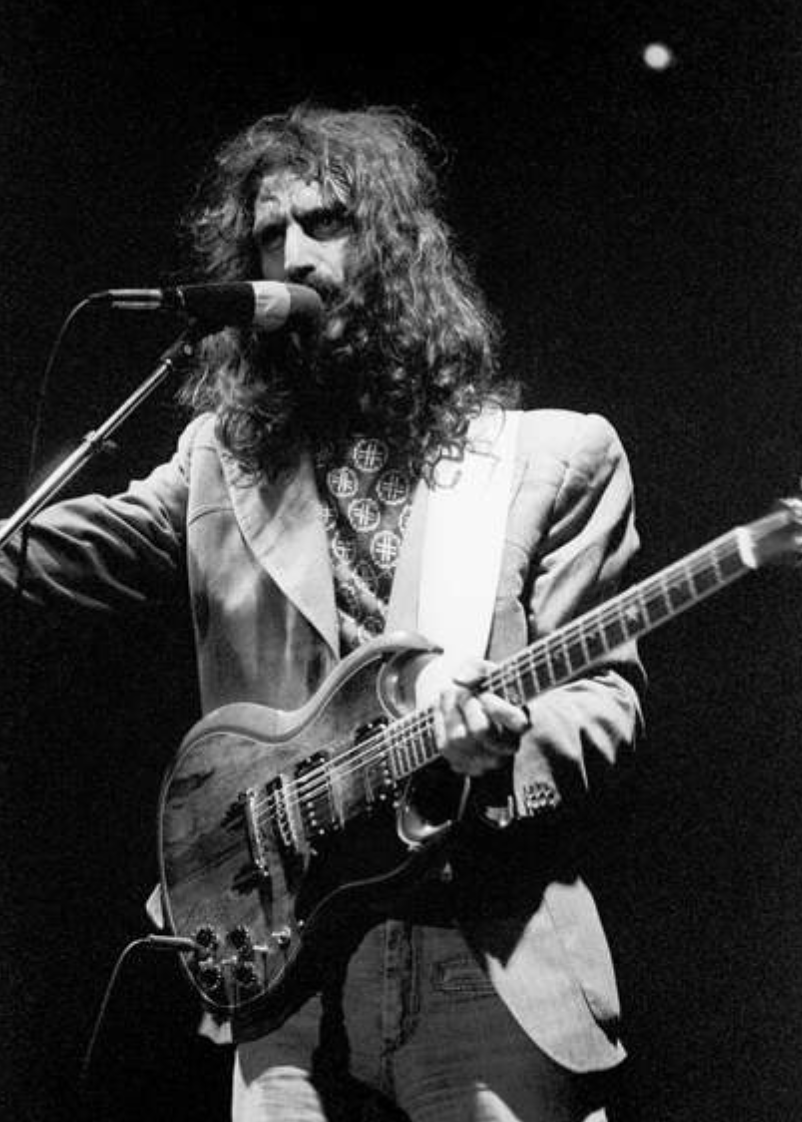
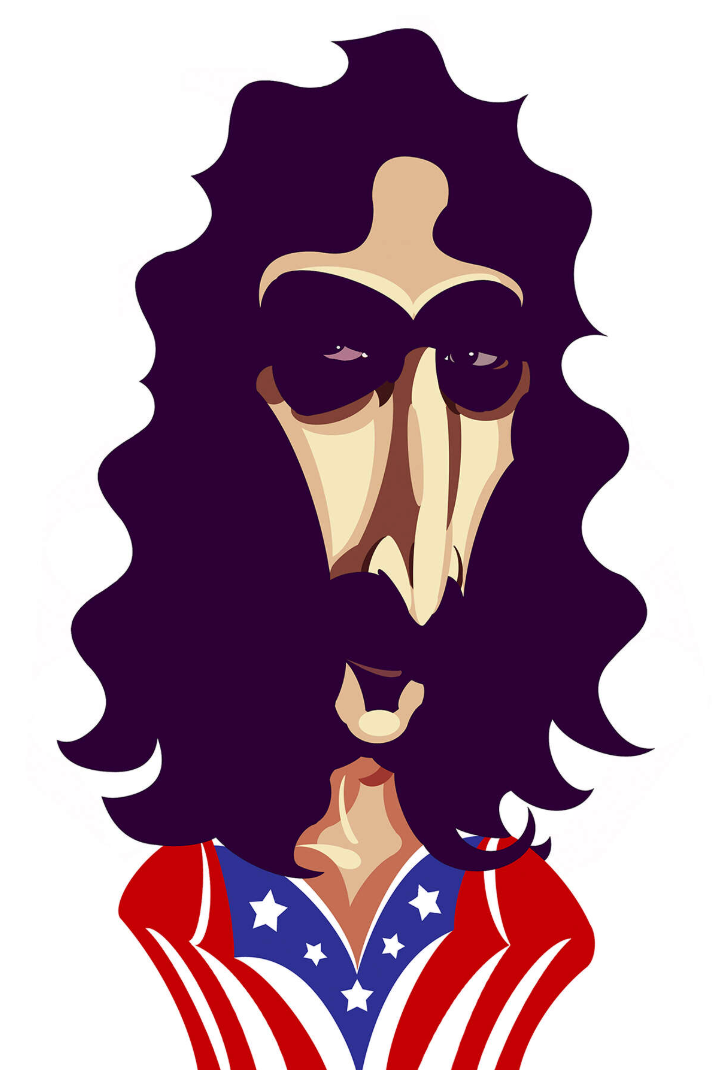
The Frank Zappa Story: From the Beginning to the Mothers of Invention to His Solo Journey

Frank Zappa was one of the most innovative, rebellious, and genre-defying artists in music history.


ree

His journey from a self-taught composer to the mastermind behind The Mothers of Invention and eventually a groundbreaking solo artist is a tale of relentless creativity, humor, and genius.


Early Life and Musical Awakening (1940–1964)

Frank Vincent Zappa was born on December 21, 1940, in Baltimore, Maryland.


His father was a chemist working in the defense industry, and his childhood was marked by frequent moves due to his father’s job. The young Zappa was fascinated by science and chemistry, but his true obsession became music—especially avant-garde composers like Edgard Varèse, Igor Stravinsky, and Anton Webern.


In his teenage years, Zappa took up drums before switching to guitar, developing a unique playing style that would later influence rock and fusion guitarists. He became enamored with R&B, doo-wop, and blues, blending these influences with his love of classical dissonance.
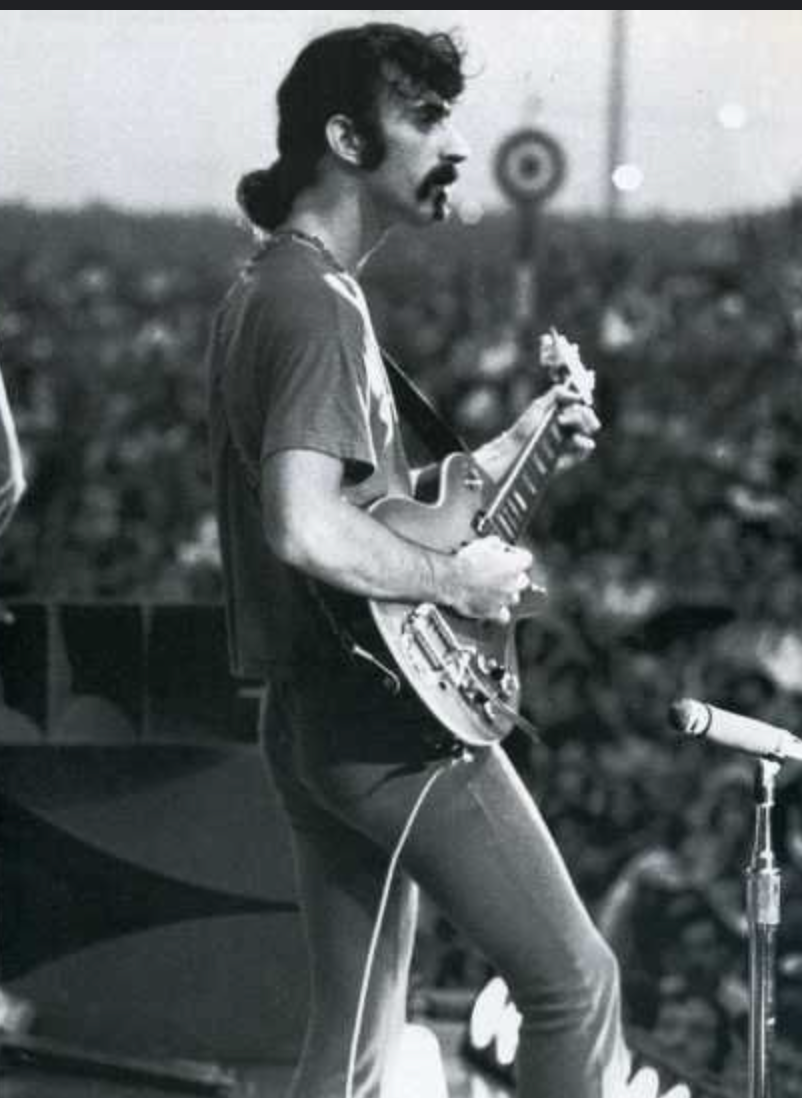


By the early 1960s, Zappa was composing orchestral pieces and experimental music while playing in local bands.


In 1963, he took over a small recording studio in Cucamonga, California, where he experimented with sound and recorded bizarre, satirical tracks. His avant-garde recordings caught the attention of authorities—he was even arrested briefly for making a fake “pornographic” audio tape, which he later called a formative experience in his anti-authoritarian stance.
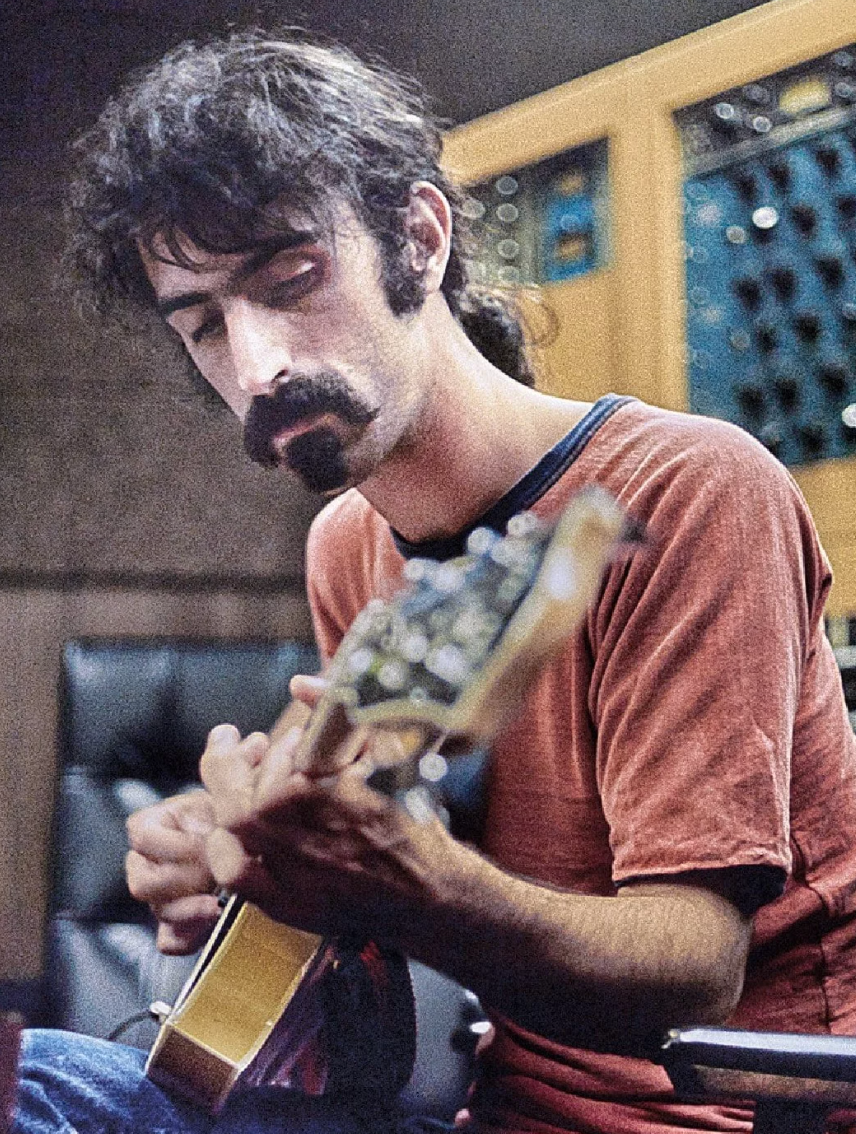


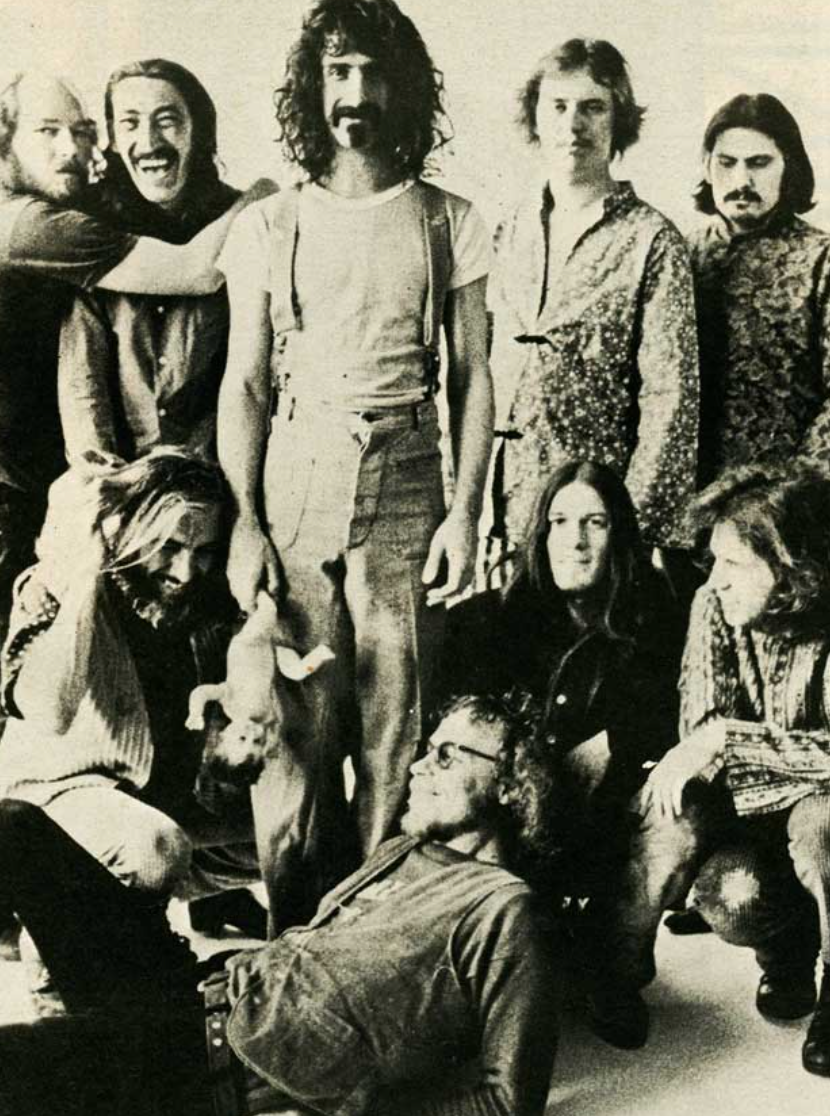
The Mothers of Invention (1964–1970)

Zappa’s big break came in 1964 when he joined a struggling R&B band called The Soul Giants as a guitarist.


He quickly took over, renaming them The Mothers, and steering them into an entirely new direction: a mix of rock, jazz, classical, and absurdist satire.


The band was signed by Verve Records in 1966, who forced them to add “of Invention” to their name (to avoid obscenity concerns), and thus, The Mothers of Invention were born.


ree

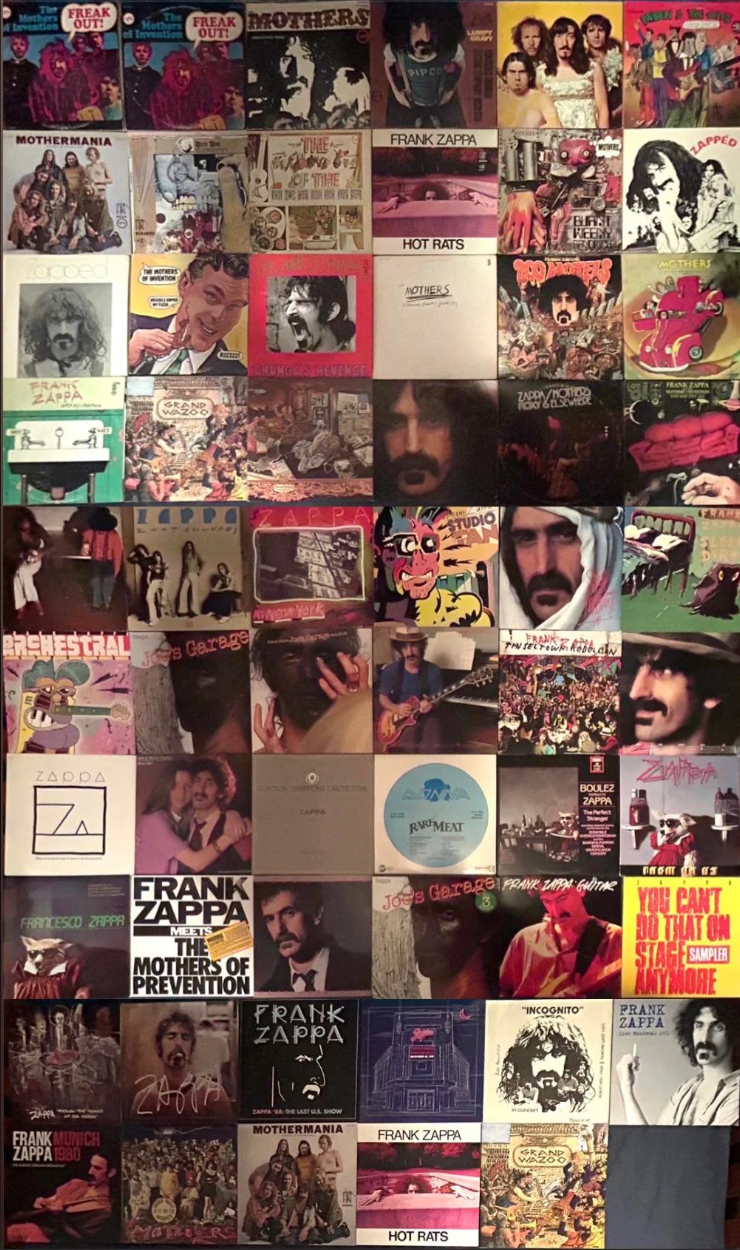
Their debut album, “Freak Out!” (1966), was a revolutionary double album, blending social satire, experimental rock, and orchestral elements—one of the first rock concept albums ever. It influenced everyone from The Beatles (Sgt. Pepper’s) to punk and progressive rock pioneers.


Over the next few years, Zappa and The Mothers released a string of groundbreaking albums, including:

  • “Absolutely Free” (1967) – A further leap into musical and lyrical satire.

  • “We’re Only in It for the Money” (1968) – A scathing parody of hippie culture and The Beatles’ Sgt. Pepper.

  • “Uncle Meat” (1969) – Showcasing Zappa’s deepening interest in jazz fusion and modern composition.


By 1969, Zappa was increasingly frustrated with his band’s limitations and lack of financial success. He disbanded The Mothers in 1970, signaling the beginning of his solo career—though he would reunite with different versions of the band later.


ree

Early Solo Years

& Instrumental Mastery (1970–1972)

Zappa’s first official solo album, “Hot Rats” (1969), had already hinted at his future direction. Featuring jazz-rock fusion and virtuoso instrumental work, it included the now-classic “Peaches en Regalia” and guitar-heavy “Willie the Pimp” with Captain Beefheart on vocals.


After disbanding The Mothers, Zappa entered a prolific phase, working with a mix of jazz, classical, and rock musicians, including:

  • “Chunga’s Revenge” (1970) – Blurring the line between The Mothers and solo work.

  • “Waka/Jawaka” (1972) & “The Grand Wazoo” (1972) – Big-band jazz fusion albums, showing his deep orchestral ambitions.


During this time, Zappa also suffered a near-fatal accident: In December 1971, he was attacked on stage by a crazed audience member in London and fell into an orchestra pit, breaking multiple bones.


This left him wheelchair-bound for months and permanently lowered his voice, which he later used to his advantage in his music.


This is just the beginning of his long and complex career. After this period, Zappa would evolve even further—experimenting with political satire, orchestral works, virtuoso guitar solos, and technological innovations that kept him ahead of his time.


ree

Frank Zappa in the 1970s: The Era of Experimentation, Satire, and Musical Mastery

The 1970s were a defining decade for Frank Zappa—one where he fully embraced his role as a composer, bandleader, satirist, and guitar virtuoso.


After disbanding the original Mothers of Invention at the start of the decade, he spent the next ten years assembling some of the most talented musicians in rock and jazz, pushing boundaries with complex compositions, political satire, and blistering guitar work.


Rebuilding The Mothers

& Expanding His Sound (1970–1972)

Even though Zappa had dissolved The Mothers of Invention, he didn’t stop making music with a revolving lineup of incredible musicians.


His early '70s work showed a strong shift towards jazz fusion and large-scale instrumental arrangements:

  • "Chunga’s Revenge" (1970) – Marked a transition from the old Mothers sound to a more jam-oriented, guitar-heavy approach.

  • "200 Motels" (1971) – A bizarre rock opera film and album, co-starring Ringo Starr and incorporating orchestral elements alongside rock and satire.

  • "Waka/Jawaka" (1972) & "The Grand Wazoo" (1972) – Fully embraced jazz fusion, featuring intricate big-band compositions and proving Zappa's orchestral ambitions.


ree


Zappa’s ambitions were nearly derailed by two catastrophic events in December 1971:

  1. Montreux Casino Fire – A fan fired a flare gun during a show in Switzerland, burning down the venue. This event was immortalized in Deep Purple’s "Smoke on the Water."

  2. On-Stage Attack in London – Just a week later, a deranged fan shoved Zappa offstage into an orchestra pit, causing severe injuries that left him in a wheelchair for months. His voice permanently deepened due to throat damage, but he continued composing during his recovery.


The Virtuoso Guitarist & Rock Satirist (1973–1975)

By 1973, Zappa had recovered and returned with a new version of The Mothers, featuring some of the most technically gifted musicians he ever worked with, including:

  • George Duke (keyboards)

  • Jean-Luc Ponty (violin)

  • Ruth Underwood (percussion)

  • Chester Thompson & Ralph Humphrey (drums)

  • Napoleon Murphy Brock (vocals/saxophone)


ree

This era was defined by a mix of jazz fusion, complex compositions, and satirical lyrics:

  • "Over-Nite Sensation" (1973) – Featured catchy, satirical songs like "Camarillo Brillo" and "Dinah-Moe Humm," making Zappa’s music more accessible while still showcasing virtuoso performances.


  • "Apostrophe (')" (1974) – His commercial breakthrough, with the hit song "Don't Eat the Yellow Snow", alongside stunning instrumental work like the title track (featuring Jack Bruce of Cream on bass).


  • "Roxy & Elsewhere" (1974) – A legendary live album that captured the precision and humor of his band at the time, featuring fan favorites like "Echidna’s Arf (Of You)" and "Don’t You Ever Wash That Thing?"


Guitar Mastery: Around this time, Zappa's guitar soloing became a major focus. He began recording lengthy improvised solos, many of which would be compiled into later albums (such as Shut Up 'n Play Yer Guitar in the '80s).


Full Independence & Political Satire (1976–1978)

By 1976, Zappa had split from Warner Bros. Records in a bitter legal battle and formed his own label, Zappa Records, giving him complete creative control. His music became even more politically charged, blending razor-sharp satire with intricate musicality:

  • "Zoot Allures" (1976) – Showcased his heavier, guitar-driven style, featuring "Black Napkins", one of his most iconic solos.


  • "Läther" (Recorded 1977) – Originally a 4-LP concept album that Warner Bros. refused to release, it was later split into several albums, including Studio Tan and Sleep Dirt.


ree

  • "Sheik Yerbouti" (1979) – One of his most commercially successful albums, featuring the infamous "Bobby Brown Goes Down", which was a hit in Europe but banned in the U.S. due to its explicit content. The album also included "Dancin’ Fool" (a satire of disco culture).


Zappa vs. Censorship: In the late '70s, Zappa became an outspoken critic of government control and censorship, especially when it came to music. He would later become a major figure in the fight against music censorship in the 1980s.


ree

Orchestral Ambitions & Live Legacy (1978–1979)

As the decade closed, Zappa pushed even further into classical composition and live experimentation:

  • "Orchestral Favorites" (1979) – Featured full orchestral performances of his compositions.


  • "Joe’s Garage" (1979) – A three-part rock opera warning about government censorship, featuring some of Zappa’s best-known songs, including "Catholic Girls," "Watermelon in Easter Hay," and "Why Does It Hurt When I Pee?"


  • "Tinsel Town Rebellion" (1981, recorded in the late '70s) – A mix of live and studio material, blending political satire with complex arrangements.


ree

Zappa in the ‘70s: Legacy & Influence

By the end of the 1970s, Frank Zappa had cemented himself as:


✅ A virtuoso guitarist respected by musicians worldwide.


✅ A political and cultural satirist unafraid to attack hypocrisy.


✅ A pioneer of jazz fusion, rock, and orchestral music, blending them like no one else.


✅ A fiercely independent artist who had fought record labels and censorship laws to maintain his creative vision.

His output in the '70s was staggering—dozens of albums spanning rock, jazz, orchestral music, satire, and beyond.


Frank Zappa in the 1980s & Beyond: The Final Chapter and Lasting Legacy

The 1980s saw Frank Zappa evolve from a musical maverick into a political activist, technology innovator, and one of the most respected composers of the 20th century. Despite facing legal battles, industry censorship, and ultimately his own mortality, he never stopped pushing boundaries.


ree

This era was defined by groundbreaking live performances, political and social criticism, pioneering digital recording techniques, and his fight against music censorship. Let’s dive into his band lineups, his final years, and the massive influence he left on the music world.


The 1980s: New Sounds, Political Fights & Digital Innovation

Band Lineups & Key Albums (1980–1984)

Zappa assembled some of his tightest and most technically gifted lineups during this era, mixing new and old members. Some of his most notable musicians in the early '80s included:

  • Steve Vai (guitar) – A young prodigy who transcribed Zappa’s impossible guitar solos and became one of the world’s best shredders.

  • Vinnie Colaiuta (drums) – A legendary jazz-fusion drummer known for his ability to play Zappa’s most complex time signatures.

  • Arthur Barrow (bass) – Known for his groove and technical prowess.

  • Tommy Mars (keyboards) – A synth wizard who added new sonic textures to Zappa’s sound.

  • Ed Mann (percussion) – A key player in delivering Zappa’s intricate live arrangements.


ree


Key albums from this era:

  • "Tinsel Town Rebellion" (1981) – A mix of live and studio recordings, full of biting social satire.

  • "You Are What You Is" (1981) – A politically charged album attacking religion, materialism, and conservative hypocrisy. The title track and "Dumb All Over" are among its highlights.


ree

  • "Ship Arriving Too Late to Save a Drowning Witch" (1982) – Features Zappa’s only Top 40 hit, "Valley Girl", featuring his daughter Moon Zappa mocking L.A.’s Valley Girl culture.

  • "The Man from Utopia" (1983) – A blend of live and studio work featuring highly complex instrumental performances.


The Fight Against Music Censorship (1985–1987)

In 1985, Frank Zappa became a central figure in the fight against music censorship when the Parents Music Resource Center (PMRC) pushed for warning labels on albums with explicit content.


ree


  • Zappa testified before the U.S. Senate, fiercely opposing censorship, calling the PMRC’s actions a violation of free speech.

  • His speech was sharp, articulate, and fearless, comparing censorship laws to “treating dandruff with decapitation.”

  • Though warning labels were ultimately introduced, Zappa emerged as a hero for artistic freedom, inspiring musicians across all genres.


Technological Innovation & Synclavier Experiments (1986–1989)

During the late ‘80s, Zappa became one of the first artists to fully embrace digital recording and composition, using the Synclavier, an advanced synthesizer that allowed him to compose orchestral music with incredible precision.


Notable works from this period:

  • "Jazz from Hell" (1986) – A fully instrumental album featuring Synclavier compositions. Won a Grammy for Best Rock Instrumental Performance.


ree

  • "Francesco Zappa" (1984) – An experimental album featuring compositions by a forgotten 18th-century composer named Francesco Zappa, programmed into the Synclavier.


Even as he embraced technology, Zappa never abandoned his love of live performance, continuing to tour with some of the most technically accomplished musicians of the era.


The 1990s & Zappa’s Final Years (1990–1993)

Diagnosed with Cancer (1990–1993)

In 1990, Frank Zappa was diagnosed with prostate cancer, which had gone undetected for years. Despite his declining health, he continued working tirelessly, diving deeper into classical composition and recording as much as possible.


Final Works & Conducting in Europe (1992–1993)

Though too ill to tour in the U.S., Zappa was honored in Europe, where he conducted his orchestral compositions with the Ensemble Modern, culminating in the album "The Yellow Shark" (1993).

This project showcased some of his most intricate orchestral work, proving that even in his final years, Zappa was at the peak of his creative powers.


Passing & Lasting Impact

On December 4, 1993, Frank Zappa passed away at the age of 52. His death marked the loss of one of the most fearless, original, and prolific musicians of all time.


ree

Zappa’s Legacy & Influence

Unreleased Archives & The Zappa Family Trust

  • Zappa left behind a massive vault of unreleased recordings, known as the “Vault”, which continues to be released posthumously.


  • His widow, Gail Zappa, managed his estate until her death in 2015. Now, his children—Dweezil, Ahmet, Moon, and Diva Zappa—continue to oversee his legacy.


Artists He Influenced

Frank Zappa’s influence can be felt across rock, jazz, metal, electronic, and experimental music. Some of the biggest names who credit him as an inspiration include:

  • Steve Vai & Joe Satriani – Both guitar virtuosos, influenced by Zappa’s approach to composition and technical skill.

  • Primus – Les Claypool’s bizarre, avant-garde funk-rock style owes a lot to Zappa’s influence.

  • Ween – Their eclectic, genre-hopping sound and satirical lyrics mirror Zappa’s approach.

  • Mr. Bungle & Mike Patton – Their complex, unpredictable compositions echo Zappa’s fusion of genres.

  • Dream Theater – Their intricate progressive rock and virtuoso musicianship show Zappa’s influence.

  • Devin Townsend – A modern progressive metal artist who shares Zappa’s mix of humor and technical brilliance.

  • Kanye West & Hip-Hop Sampling – Though not a direct influence, Zappa’s use of collage-style sampling in albums like We’re Only in It for the Money paved the way for modern hip-hop production.


Why Zappa Still Matters Today

Frank Zappa was more than just a musician—he was:

🎸 A Guitar Virtuoso – His solos were legendary, blending blues, jazz, and avant-garde techniques.


🎼 A Composer’s Composer – He pushed the boundaries of classical, jazz, and rock composition.


🎤 A Fearless Satirist – His critiques of politics, censorship, and society remain relevant.


💾 A Technological Pioneer – He embraced digital music before most artists even knew what it was.


🛡️ A Defender of Free Speech – His testimony against music censorship still inspires artists today.


Even decades after his death, Zappa’s music and philosophy remain timeless, proving that true artistic integrity can outlive any trend or commercial pressure.


Frank Zappa’s Live Improvisation Legacy: The Genius of Spontaneity & Genre Fusion

Frank Zappa’s approach to live improvisation was nothing short of revolutionary.


He integrated all styles of music—rock, jazz, blues, classical, avant-garde, and even doo-wop—into an unpredictable, high-level performance experience.


His concerts were never just about playing songs as they were recorded; instead, they were living, evolving pieces of spontaneous composition, musical humor, and technical wizardry.


His command over improvisation shaped the way musicians think about live performances today, particularly in jam bands, progressive rock, jazz fusion, and avant-garde experimental music.


The Art of Conducted Improvisation

One of Zappa’s most unique contributions was his role as a "live composer"—he didn’t just play music; he conducted it in real time.

  • During performances, he used hand signals to guide his band into different sections, change time signatures, introduce new melodies, or cue solos on the fly.


ree

  • This technique allowed for instantaneous musical transformations, making every concert a completely unique experience.


  • His band had to be technically flawless and mentally flexible, capable of shifting between complex jazz-fusion passages, blues rock jams, and classical motifs at any moment.

"The audience should never know what to expect. The musicians should never know what to expect. That's what keeps it alive." – Frank Zappa

Examples of Live Improvisation Genius

🎸 The Infamous "Torture Never Stops" Solos

  • Every time Zappa performed "The Torture Never Stops," the guitar solo was completely different—often stretching to 10-15 minutes of pure, otherworldly improvisation.

  • He would weave in bluesy phrasing, avant-garde dissonance, jazz-fusion scales, and sudden rhythmic shifts, making every performance a singular event.


ree

🔄 "King Kong" – The Ultimate Jam Vehicle

  • Originally an instrumental piece, "King Kong" became a musical playground for freeform improvisation, where each musician got a chance to create something fresh.

  • Some versions turned into free jazz freakouts, while others leaned into funk grooves or psychedelic rock excursions.

🥁 Rhythmic Complexity in "Approximate"

  • This track was often played live with completely improvised rhythmic structures, where band members had to interpret graphic notation rather than traditional sheet music.

  • This meant that no two versions were the same—musicians had to listen intently and react in real time.


Blending All Styles: No Genre Limits

Zappa treated genres not as boundaries but as tools—each one served a function in his sonic playground. His live shows blended everything:

🎷 Jazz Fusion – Zappa absorbed Miles Davis, Charles Mingus, and John Coltrane, creating insanely complex, free-flowing solos and polyrhythmic jams.🎸 Hard Rock & Blues –


ree

His searing blues-infused guitar solos rivaled Hendrix and Clapton, but he infused them with bizarre, unpredictable turns.🎻 Classical & Avant-Garde – He would insert sections of Stravinsky or Edgar Varèse-inspired orchestration into rock concerts, forcing audiences into musical whiplash.🕺 Funk & Disco Parodies – Songs like "Dancin’ Fool" mocked pop trends while still being insanely danceable.👽 Electronic & Experimental Soundscapes – Zappa used synthesizers and effects pedals in real time, manipulating sound textures live.🤣 Comedy & Spoken Word Improvs – His band frequently stopped mid-song to insert jokes, bizarre monologues, or even audience interactions.


Live Band Lineups: The Best Musicians on the Planet

Zappa’s live improvisation was only possible because he recruited some of the greatest musicians in history—people who could read his mind onstage and keep up with his musical acrobatics.

Best Live Musicians & Improvisers in His Bands:

🔹 Ruth Underwood (percussion, 1972-1977) – A master of insanely complex polyrhythms, making even the most bizarre Zappa compositions groove.


ree

🔹 George Duke (keyboards/vocals, 1970s) – Brought an insane mix of jazz-fusion, funk, and avant-garde energy to Zappa’s live band.

🔹 Terry Bozzio (drums, 1975-1978) – Played impossible time signatures while improvising with ease.

🔹 Steve Vai (guitar, 1980-1983) – The "stunt guitarist", transcribed Zappa’s most impossible solos note-for-note.

🔹 Vinnie Colaiuta (drums, 1978-1981) – A drumming alien capable of playing mind-bending time signatures while staying locked in the groove.

🔹 Napoleon Murphy Brock (sax/vocals, 1973-1975) – A charismatic performer who could shift between jazz improvisation and comedic theatrics.

The Legacy of Zappa’s Live Improvisation

Who Did He Influence?

Frank Zappa’s improvisational genius has influenced every genre of live music today.

🎵 Jam Bands & Progressive Rock

  • Phish & The Grateful Dead – Phish, in particular, adopted Zappa’s freeform live composition philosophy.

  • King Crimson & Rush – Took Zappa’s complex rhythmic structures and applied them to progressive rock.

  • Tool & Primus – Both bands incorporate unpredictable, Zappa-style rhythmic shifts in their music.

🎸 Guitarists Who Worship Zappa

  • Steve Vai & Joe Satriani – Learned the art of technical, unpredictable guitar improvisation from him.

  • John Frusciante (Red Hot Chili Peppers) – Frequently name-checks Zappa as his biggest improvisation influence.

  • Omar Rodríguez-López (The Mars Volta) – Uses Zappa’s approach to genre-blending and freeform solos in his music.

🎹 Jazz & Fusion Musicians

  • John Zorn & Mike Patton – Their avant-garde jazz-punk experiments are a direct extension of Zappa’s vision.

  • Herbie Hancock & Chick Corea – Their electric fusion bands took inspiration from Zappa’s live fluidity.


ree

Why Zappa’s Live Genius Still Matters Today

Live Music as a Conversation – He showed that concerts should be living, breathing moments of creativity, not just recitals of recorded songs.

No Rules in Genre – Zappa proved you can blend classical, rock, jazz, funk, and noise into one seamless performance.

Technical Excellence + Spontaneity – He demanded perfection from his musicians while also encouraging them to take risks in the moment.

Music as Theater – His shows were a mix of virtuosity, comedy, political satire, and raw improvisation, something few have ever matched.

Even decades after his death, Zappa’s live improvisation philosophy continues to shape the way the best musicians in the world approach their craft.


ree

Frank Zappa’s Passing: The Loss of an Irreplaceable Genius

Frank Zappa passed away on December 4, 1993, at the age of 52 due to prostate cancer. His death marked the end of an era for music, as he was one of the most innovative, fearless, and uncompromising artists in history.

In his final years, despite battling illness, he continued composing and exploring new sonic territories, diving deep into modern classical music and Synclavier compositions. He even conducted an orchestral performance in 1992 in Germany while already weakened by cancer.

His family announced his passing with a simple but powerful statement:

"Composer Frank Zappa left for his final tour just before 6:00 pm Saturday."


ree

Why Frank Zappa Will Be Missed & Why There May Never Be Another Like Him


1️⃣ A Musical Mind Unlike Any Other

Zappa was not just a musician—he was a composer, satirist, conductor, philosopher, and sonic scientist.

  • He refused to conform to industry expectations, making music that was equally absurd, intellectual, and deeply complex.

  • His ability to blend rock, jazz, classical, avant-garde, and electronic music into a cohesive (yet unpredictable) experience was unmatched.


ree

🎼 "We may never see another mind that could weave together doo-wop harmonies, Stravinsky-style orchestration, jazz-fusion complexity, and satirical lyrics in one piece."


2️⃣ Fearless Social Commentary & Satire

Zappa never backed down from speaking his mind, whether it was about politics, censorship, or society’s hypocrisy.

  • He fought against PMRC censorship in the '80s, becoming a strong advocate for free speech in music.

  • His music mocked government corruption, religious extremism, and commercialism, while still being musically profound.

🎙️ "In an age where many musicians censor themselves for popularity, there may never be another artist so fearless in calling out the absurdities of the world."


ree

3️⃣ Live Improvisation & Technical Genius

Zappa’s conducted improvisation and demand for perfection from his musicians set a gold standard.

  • No two live performances were the same.

  • His bands contained some of the most technically skilled musicians ever assembled.

  • His hand signals and on-the-spot composition methods are still studied by musicians today.

🎸 "Few artists have ever had the ability to compose in real time onstage like Zappa did."


ree

4️⃣ A Relentless Work Ethic & Discography That Never Ends

Zappa released over 60 albums in his lifetime—and his estate continues to release vault material and live recordings decades later.

  • He was constantly in the studio, pushing boundaries and reinventing sound.

  • His vault contains hundreds of unreleased recordings, showing that his creative well never ran dry.

📀 "Even after his death, we are still discovering new music from him—who else can say that?"


ree

5️⃣ Who Else Could Replace Him?

The truth is, no one else has ever approached music like Frank Zappa.

  • Some artists have been influenced by him (Primus, Phish, Mike Patton, Steve Vai, etc.), but no one has matched his level of musical complexity, satire, and genre fusion.

  • The music industry today rarely allows artists the creative freedom he had—most musicians are constrained by commercial trends, whereas Zappa made music purely on his own terms.


ree

🚫 "With the way the music industry works now, it's nearly impossible for another artist to have the same level of independence and innovation as Zappa."


Zappa’s Final Words & Philosophy on Death

Even in the face of death, Zappa remained deeply philosophical and unafraid. He often spoke about death as just another part of existence.

In one of his final interviews, when asked how he would want to be remembered, he simply said:

"It's not important to even be remembered."


ree

But, of course, he is remembered—and will continue to be remembered—as one of the most inventive musical minds in history.


ree

A Legacy That Will Never Fade

Frank Zappa’s music, philosophy, and creative approach ensure that he will never truly be gone. His influence can be heard in:


Live improvisation-based bands like Phish and jam bands


ree

Guitar virtuosos like Steve Vai and Joe Satriani


ree

Progressive & experimental music from King Crimson to The Mars Volta


ree

Modern classical composers & avant-garde musicians


ree

Anyone who refuses to conform to industry norms


ree

🎶 "Zappa didn’t just play music—he built a new way of thinking about sound, performance, and artistic freedom. And that will never die."


ree

ree

ree

ree

ree


The Story of The Meters: From Humble Beginnings to Funk Pioneers

In the mid-1960s, in the vibrant musical heart of New Orleans, a group of young musicians unknowingly laid the groundwork for what would become the blueprint of funk.


ree

The Meters weren’t just another band; they were a sonic force, blending deep-pocket grooves with a raw, stripped-down style that would influence countless artists across funk, rock, and hip-hop.


But to understand their rise, we have to go back to their roots—when four gifted musicians, all steeped in the rhythms of their hometown, came together to create something groundbreaking.


The Early Days: The Birth of a Groove

The story begins with Art Neville, a young keyboardist with a knack for soulful melodies and a natural leadership presence.


By the early 1960s, Art had already made a name for himself with The Hawketts, recording the now-classic New Orleans anthem Mardi Gras Mambo. After a stint in the Navy, he returned home and began forming a new group—one that would focus on tight instrumentals, infectious rhythms, and an unmistakable New Orleans funk feel.


ree


Neville first linked up with George Porter Jr., a talented bassist who had been cutting his teeth in local bands. Porter had a deep, rolling groove, the kind that made your body move before you even realized it. His style would later define the band’s sound, anchoring their music in an undeniable pocket.


On guitar was Leo Nocentelli, a master of sharp, syncopated riffs. Nocentelli’s playing wasn’t about flashy solos—it was about rhythm, feel, and a sense of space. His choppy, percussive approach would become one of The Meters' signature sounds, inspiring generations of funk guitarists.


ree


Finally, there was Joseph "Zigaboo" Modeliste, the drummer whose explosive yet controlled beats redefined what funk drumming could be. Zig’s drumming didn’t just keep time—it danced, it breathed, and it pushed the groove forward with a syncopation that few had heard before.


ree


Together, these four musicians didn’t just play music—they communicated through rhythm, locking in so tightly that their jams felt effortless, hypnotic, and deeply infectious.


The Formation & Breakthrough

By 1965, Art Neville, George Porter Jr., Leo Nocentelli, and Zigaboo Modeliste were playing together as a backing band for various New Orleans artists.


Under the guidance of legendary producer Allen Toussaint, they became the go-to session musicians for many of his productions. But Toussaint saw something special in them—not just as sidemen, but as a band with their own identity.


Toussaint and Marshall Sehorn, a well-known New Orleans music figure, helped the group land a deal with Josie Records, and soon, The Meters were born.


ree

The Meters (1969) – A New Funk Sound

In 1969, The Meters released their self-titled debut album, The Meters. Unlike many funk bands of the era, The Meters didn’t rely on big horn sections or overly polished production. Their music was raw, stripped down, and all about the groove.


The album’s opening track, "Cissy Strut," became an instant classic—its tight guitar riff, rolling bassline, and infectious drum groove were pure funk perfection. The song climbed the Billboard R&B chart, proving that this new style of funk had mass appeal. Other tracks, like "Sophisticated Cissy" and "Ease Back," showcased their deep grooves and hypnotic, minimalist approach.


Unlike James Brown’s band, which emphasized the leader’s vocals and call-and-response energy, The Meters let the instruments do the talking. The result? A gritty, instrumental funk style that set them apart from anyone else at the time.


Look-Ka Py Py (1970) – Refining the Groove

Building on the success of their debut, The Meters returned in 1970 with their second album, Look-Ka Py Py. This record saw the band refining their sound even further, locking into even tighter grooves with an almost telepathic connection between the members.


ree


The title track, "Look-Ka Py Py," is a masterclass in funk rhythm—Zigaboo’s drum work is more intricate, Nocentelli’s guitar more staccato, and Porter’s bass more driving than ever. The album also features "Pungee" and "Oh, Calcutta!", which further established their signature deep-groove, no-frills approach.


This album wasn’t just about musicianship—it was about feel. The Meters were making music that sounded effortless but was technically complex, a balance few could achieve.


ree

The Meters’ Influence & Legacy

By the time they released their first two albums, The Meters had already built a reputation as funk pioneers. Their sound would go on to influence everyone from The Red Hot Chili Peppers to hip-hop producers like Dr. Dre, who frequently sampled their grooves.


Though their early work was instrumental, their impact was massive. They weren’t just playing music—they were creating a language of rhythm that would inspire generations of musicians.

As the 1970s progressed, The Meters would expand their sound, add vocals, and eventually evolve into a larger funk powerhouse. But their first two albums remain some of the purest, most essential funk ever recorded.


ree


Their journey had only just begun, but with The Meters and Look-Ka Py Py, they had already secured their place in music history.


The Meters: Funk’s Evolution Through the 1970s

By the early 1970s, The Meters had already carved out their place in history with their first two albums, The Meters (1969) and Look-Ka Py Py (1970). Their stripped-down, hypnotic grooves had proven that funk didn’t need elaborate horn sections or complex arrangements to hit hard. It just needed the right feel, and The Meters had it in abundance.


ree


As they moved into the next phase of their career, The Meters began expanding their sound, incorporating more complex song structures, occasional vocals, and deeper experimentation—all while keeping their signature groove intact.


Struttin’ (1970) – A Funk Band Finding Its Voice

Fresh off the success of Look-Ka Py Py, The Meters wasted no time releasing their third album, Struttin’, in the same year. While still heavily instrumental, this record saw the band introducing more vocals, signaling a gradual shift toward a fuller, more song-oriented sound.


ree


One of the album’s standout tracks, "Chicken Strut," features playful, clucking vocalizations over a tight groove, showing off their New Orleans humor while staying true to their funk roots.


Other tracks like "Same Old Thing" and "Tippi-Toes" kept the infectious, syncopated rhythms that had already made them legends in the making.


This album also demonstrated Leo Nocentelli’s evolving guitar work—his rhythms were even sharper, his phrasing more intricate. George Porter Jr.'s basslines were beginning to take on a more melodic role, weaving between the drums and keys with a fluidity that few bassists could match.


ree


Even as they dabbled with vocals, The Meters remained a band built on feel, and Struttin’ was proof that they weren’t just a flash in the pan. They were here to stay.


ree

The Move to Reprise Records

Up until this point, The Meters had been releasing music under Josie Records, but by the early 1970s, Josie had folded. This led to a new opportunity: The Meters signed with Reprise Records (a subsidiary of Warner Bros.), opening the door for them to reach a larger, more mainstream audience.


With the switch to Reprise, their music began evolving in even bigger ways—introducing heavier production, richer instrumentation, and more vocal-driven tracks. This shift led to their fourth album, Cabbage Alley, marking a turning point in their sound.


ree


Cabbage Alley (1972) – Expanding the Sound

With Cabbage Alley, The Meters took a noticeable step toward a more expansive, sophisticated funk. The rawness of their early albums was still there, but now it was blended with smoother production and a broader range of influences, including elements of soul, R&B, and even rock.


Tracks like "Do the Dirt" and "You've Got to Change (You Got to Reform)" showed their increasing comfort with vocals, particularly with Art Neville stepping up as a more prominent frontman.


One of the album’s most memorable cuts, "Soul Island," proved that The Meters could still lock into a deep, hypnotic instrumental groove, while "Birds" introduced a slinky, blues-infused vibe that hinted at even more experimentation to come.


Critics and fans noticed the shift—The Meters were still undeniably funky, but they were no longer just an instrumental backing band. They were evolving into a fully realized funk powerhouse, capable of competing with the likes of Sly & The Family Stone, War, and The Isley Brothers.


ree


This transition set the stage for what would become one of their most celebrated albums: Rejuvenation.


Rejuvenation (1974) – The Meters at Their Peak

If Cabbage Alley was the bridge between The Meters’ past and future, Rejuvenation was the full realization of their potential.


This was The Meters at their funkiest, their tightest, and their most creative.


By 1974, funk had exploded into the mainstream, with artists like James Brown, Parliament-Funkadelic, and The Ohio Players dominating the airwaves. But The Meters had something special—an effortless, swampy groove that no other funk band could replicate.


Tracks like "People Say" and "Jungle Man" had undeniable hooks and more refined songwriting, proving that The Meters could craft radio-friendly funk without losing their authenticity.


And then, there was "Hey Pocky A-Way"—perhaps their most famous song. Rooted in New Orleans street parade rhythms, this track became a Mardi Gras anthem, capturing the city’s spirit while still delivering an irresistible funk groove.


Meanwhile, "It Ain’t No Use" showcased their ability to stretch out into longer, more soulful jams, with Art Neville’s voice dripping with emotion as the band built the groove to a slow-burning climax.


ree

Rejuvenation was widely praised, with Rolling Stone calling it one of the best albums of 1974. Even legends like Mick Jagger and Paul McCartney took notice—The Meters had officially become a musician’s musician band, respected by some of the biggest names in the industry.


The Meters’ Influence Grows

By the mid-’70s, The Meters weren’t just making records—they were becoming a serious touring band, opening for The Rolling Stones on their 1975 tour. This was a huge moment, exposing them to a massive rock audience that might not have otherwise heard of them.


Their sound had also started to influence a new generation of artists. Elements of The Meters' grooves could be heard in the music of:🎸 The Red Hot Chili Peppers, who later cited The Meters as a major influence.🎧 Hip-hop producers like Dr. Dre, who sampled their beats in countless classic tracks.🎶 New Orleans musicians who carried on their tradition, from The Neville Brothers to Galactic.


With their next albums, Fire on the Bayou (1975) and Trick Bag (1976), The Meters would continue to explore new musical directions, but Rejuvenation remains a high-water mark in funk history.


ree

The Legacy of the Early '70s

Through the early 1970s, The Meters had transformed from a tight instrumental band to a fully realized funk powerhouse. Their shift from raw grooves (The Meters, Look-Ka Py Py) to song-oriented funk masterpieces (Cabbage Alley, Rejuvenation) proved their ability to grow without losing their essence.


Even as funk evolved and changed, The Meters remained New Orleans' greatest musical export, influencing everyone from jam bands to rappers, from rock legends to contemporary funk revivalists.


Their journey was far from over, but by 1974, The Meters had already secured their place in music history.


ree


The Meters’ Influence: From Funk to Hip-Hop and Beyond

The Meters weren’t just a great funk band—they were architects of groove. Their music was so pure, raw, and rhythmically tight that it became a blueprint for countless genres, from funk and R&B to hip-hop and modern jam bands.


Even though they never achieved mainstream superstardom, their influence runs deeper than fame. Their sound shaped everything from the New Orleans music scene to the foundations of hip-hop, house, neo-soul, and even electronic music.


The Meters & Hip-Hop: The Most Sampled Funk Band You Never Knew

When hip-hop producers in the 1980s and ‘90s started digging through crates of old records, they discovered something magical in The Meters' music:


ree

🔥 Drum Breaks – Zigaboo Modeliste’s drumming was so tight and funky that it became a go-to for breakbeats.🎸 Deep Grooves – Leo Nocentelli’s guitar and George Porter Jr.'s basslines provided instant head-nodding loops.🎤 Stripped-Down Instrumentals – The Meters' early tracks had just enough space for MCs to rap over.

Soon, their music was being chopped, looped, and flipped into some of the greatest hip-hop tracks ever made.


Classic Hip-Hop Songs That Sampled The Meters:

🔹 "Buckingham Palace" – Raekwon (1995) → Uses "Cissy Strut"

🔹 "Oh My God" – A Tribe Called Quest (1993) → Uses "Just Kissed My Baby"

🔹 "Time 4 Sum Aksion" – Redman (1992) → Uses "People Say"

🔹 "Welcome to the Terrordome" – Public Enemy (1990) → Uses "Hey Pocky A-Way"

🔹 "I Ain’t No Joke" – Eric B. & Rakim (1987) → Uses "Cissy Strut"

And that’s just the beginning. Their influence even spread into West Coast hip-hop, with Dr. Dre and other G-funk producers borrowing from their grooves.


ree


The Meters & Funk’s Next Generations

The Meters’ tight, instrumental funk style also had a massive impact on other funk legends and jam bands:

🎸 Parliament-Funkadelic & Bootsy Collins → Borrowed their syncopated grooves and tight rhythm section.


🎷 The Red Hot Chili Peppers → Covered "Africa" and built their early style on Meters-like funk licks.


🎻 Medeski, Martin & Wood / Soulive → Took their jazz-funk approach into the modern era.🎵 The Roots & D’Angelo → Used The Meters’ swinging, laid-back funk to shape the neo-soul movement.

Even today, artists like Vulfpeck, Thundercat, and Anderson .Paak carry on The Meters’ tradition of deep, pocket-driven grooves.


ree


What The Meters Did That

No One Else Has (Or Ever Will)

While many artists played funk, The Meters did something unique and irreplaceable:

🎼 They invented a new language of groove.Unlike James Brown, who focused on tight horn sections and call-and-response, The Meters played instrumental funk with space, swing, and deep syncopation.


Their music wasn’t about flashy solos—it was about locking into a pocket so deep, you never wanted to leave it.


🌀 They made simplicity feel complex.A song like Cissy Strut has only a few parts, but the way they interlock and evolve makes it endlessly listenable. They had a way of taking minimalistic grooves and making them sound massive.


💿 They are one of the most sampled yet underrated bands in history.Other funk bands got bigger fame, but The Meters became hip-hop’s secret weapon—the band everyone samples but doesn’t realize they love.


ree

🎶 They kept New Orleans funk alive.Even though funk became commercialized, The Meters stayed true to the rhythmic roots of New Orleans, keeping the spirit of second-line grooves alive in everything they did.


👑 They were the ultimate band’s band.The Rolling Stones, Paul McCartney, Dr. John, and countless others worshiped them. They never needed to chase pop stardom—the greats already knew who they were.


ree


The Groove Never Dies

The Meters might not have been the most famous funk band. But their fingerprints are everywhere—from hip-hop’s biggest beats to the DNA of modern funk, R&B, and jam bands.


ree

Their legacy isn’t in gold records—it’s in every head nod, every drum break, every deep groove that makes you move without thinking.


Their music is still alive. It’s in hip-hop, in jam sessions, in sampled loops, in the way we feel rhythm without even knowing why.

And that’s what makes them immortal. 🏆 🎶


ree

ree

ree

ree


Pay Per View Live Events
Fiverr
Join Steam buy the POPOLOGIST® Camera Slinger Video Game
Camera Slinger Promo
rBeatzRadio_Final (All) NEW-03.png
POPOLOGIST® Tim Bennett and his new Children's Book
The Adventures Of DogShoe & The Bakery Gang
POPOLOGIST® Coffee Mug
Black POPOLOGIST® Hoodie
Livestream Marathon
POPOLOGIST® White Coffee Mug
Guitar Center promoted on POPOLOGIST® Website
The 1st POPOLOGIST Camera Slinger Mascot

© 2024 COPYRIGHT  POPOLOGY® & POPOLOGIST®

215-880-5928

  • Facebook
  • Twitter
  • YouTube
  • Pinterest
  • Instagram
bottom of page